Elephants, Mastodons, and Gomphotheres, oh my!
Elephants are some of the most famous animals alive today, featuring in countless media, stories, adages, and cultural histories. Elephants, the family Elephantidae, are within the clade Afrotheria. Their closest living relatives, maybe unsurprisingly, are manatees and dugongs (the sirenians). After that, they are related to hyraxes, and a bit further out are the tenrecs, aardvarks, golden moles, and elephant shrews. But this was not always the case; Elephantidae are just one of many groups within the larger Proboscidea. Defined as anything closer in relation to modern elephants than to the sirenians, Proboscidea is a remarkably successful group over 60 million years old. There are three living proboscideans: Elephas maximus (Asian elephant), Loxodonta africana (African bush elephant), and Loxodonta cyclotis (African forest elephant). In this article, we’ll be exploring the diversity of proboscideans. From four-tuskers to shovelers and everything in between, there will be no ignoring these elephants in the room!
To get into the nitty-gritty of proboscidea, it is important to list out the synapomorphies of the group. Synapomorphies are features that are shared by a common ancestor and all of its descendants. In other words, all proboscideans possess the following (vastly simplified): enlarged lower center-front teeth, reduced lower teeth adjacent to the center, reduced canines and premolars, an extra cusp on the back teeth, and a few cranial traits. Importantly, these features are not unique to proboscideans. However, the presence of all of the listed attributes in unison is only found in this specific group of Afrotherians, according to a book by Asier Larramendi and Marco Ferretti.
Keen-eyed readers may notice that tusks and trunks were not included in the synapomorphy list above. Indeed, the earliest proboscideans lacked both. Take Eritherium azzouzorum, for example, which is the oldest known proboscidean. It lived in what is now Morocco over 60 million years ago, making proboscideans one of the earliest-evolving placental (mammals that carry their children internally, so not including marsupials) groups. However, it doesn’t look much like the elephants of today due to the lack of the aforementioned tusks and trunks; it is also quite diminutive, hovering around the size of a small dog.
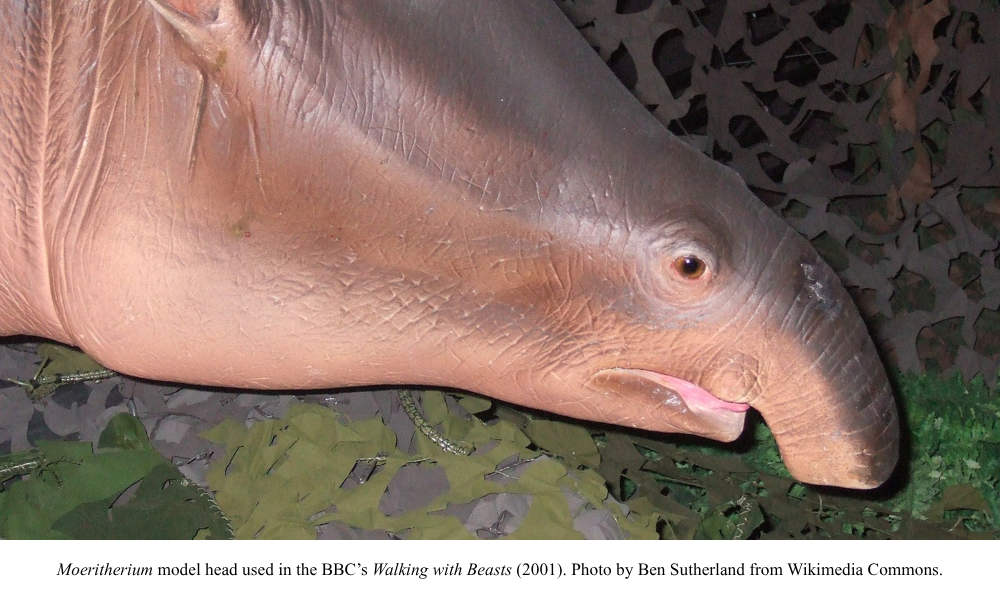
Skipping ahead to an already-different animal, we find Barytherium grave. Living over 20 million years after E. azzouzorum, this was one of the first truly massive proboscideans at over 2.2 tons (4400 lbs, 2000 kg). Additionally, while not sporting a full-on elephantine trunk, B. grave likely had a tapireque snout. What is most interesting, however, is how it lived. Possessing a build similar to modern hippos, chemical testing further proved that it likely consumed mainly water plants. As such, B. grave was likely a semiaquatic proboscidean. This lifestyle is similar to Moeritherium’s, which appeared on the BBC’s Walking with Beasts.
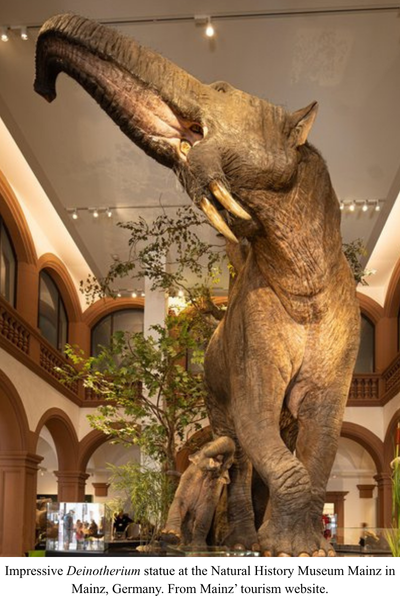
Deinotherium giganteum was another proboscidean featured in the 2001 documentary series, where a bull (male) was fiercely protecting its territory against some Australopithecus. In reality, such a sight would be just as terrifying. D. giganteum is one of the largest land mammals of all time, weighing in at a gargantuan maximum of 15.4 tons (over 30000 lbs, 14000 kg). There is a reason its name means “giant terrible beast!” In addition to the size, D. giganteum had a full-fledged trunk and tusks. However, its tusks were very different from its later relatives. They were connected to its lower snout and pointed downwards, creating a uniquely fearsome appearance. Deinotherium consists of a few other species and a closely related, but physically smaller, older genus called Prodeinotherium.
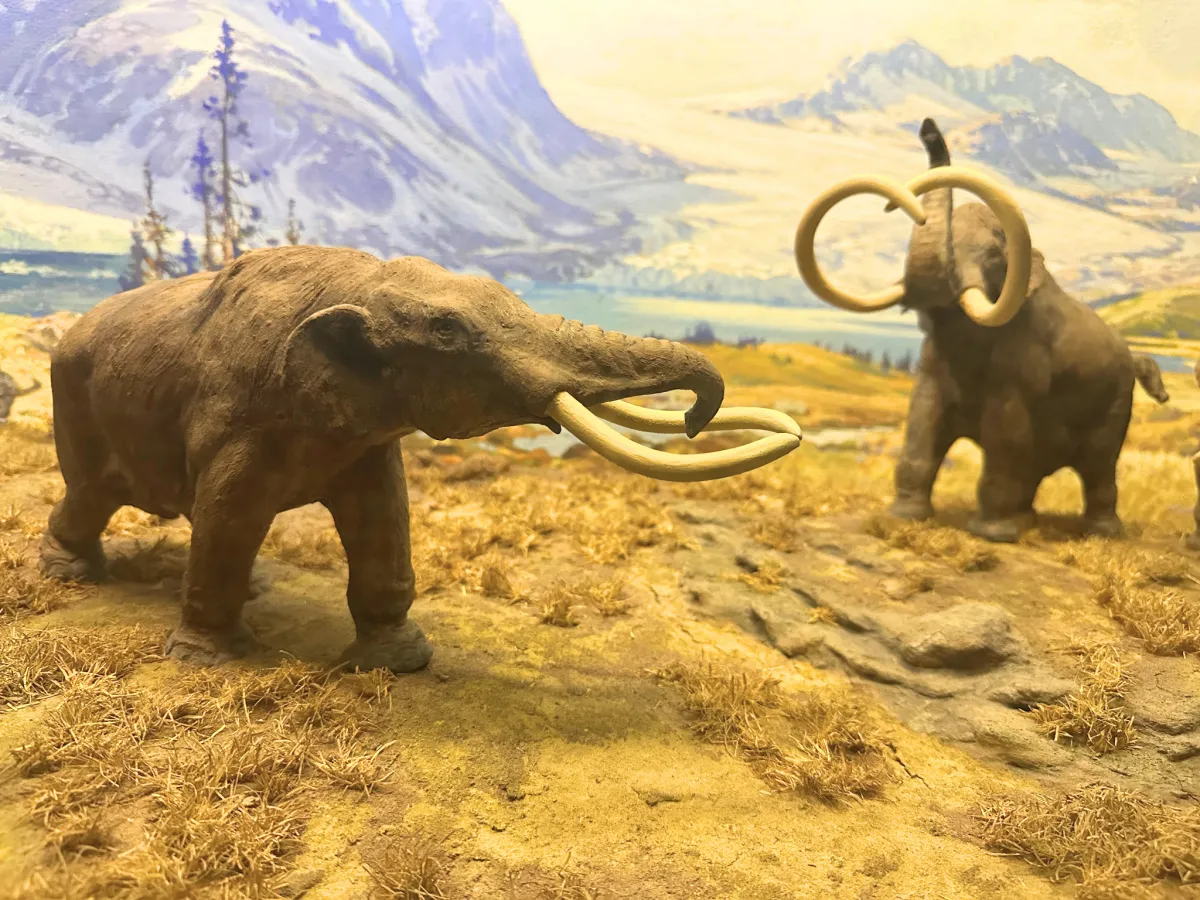
Finally entering Elephantimorpha, we have the mastodon family, Mammutidae, and the larger group containing the elephant family, gomphotheres, and the shoveler family. Mammutidae is a crown group, which means that it is defined by animal relationships to a specific group, similar to the earlier definition of Proboscidea. Mammutidae are all the animals closer in relation to the American mastodon, Mammut americanum, than to other elephantimorphs. As such, the group includes Zygolophodon and Sinomammut in addition to, obviously, the famous American mastodon.
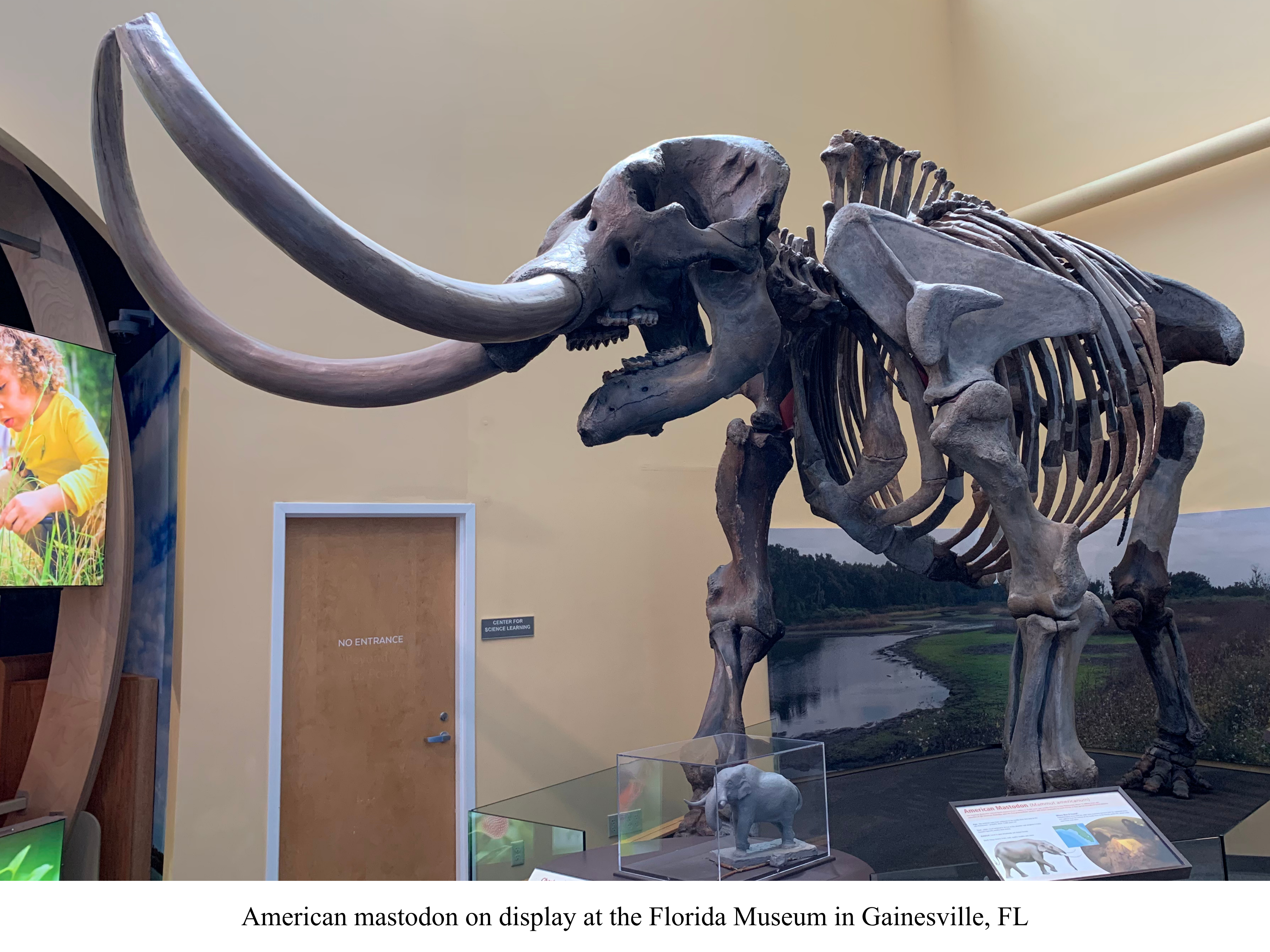
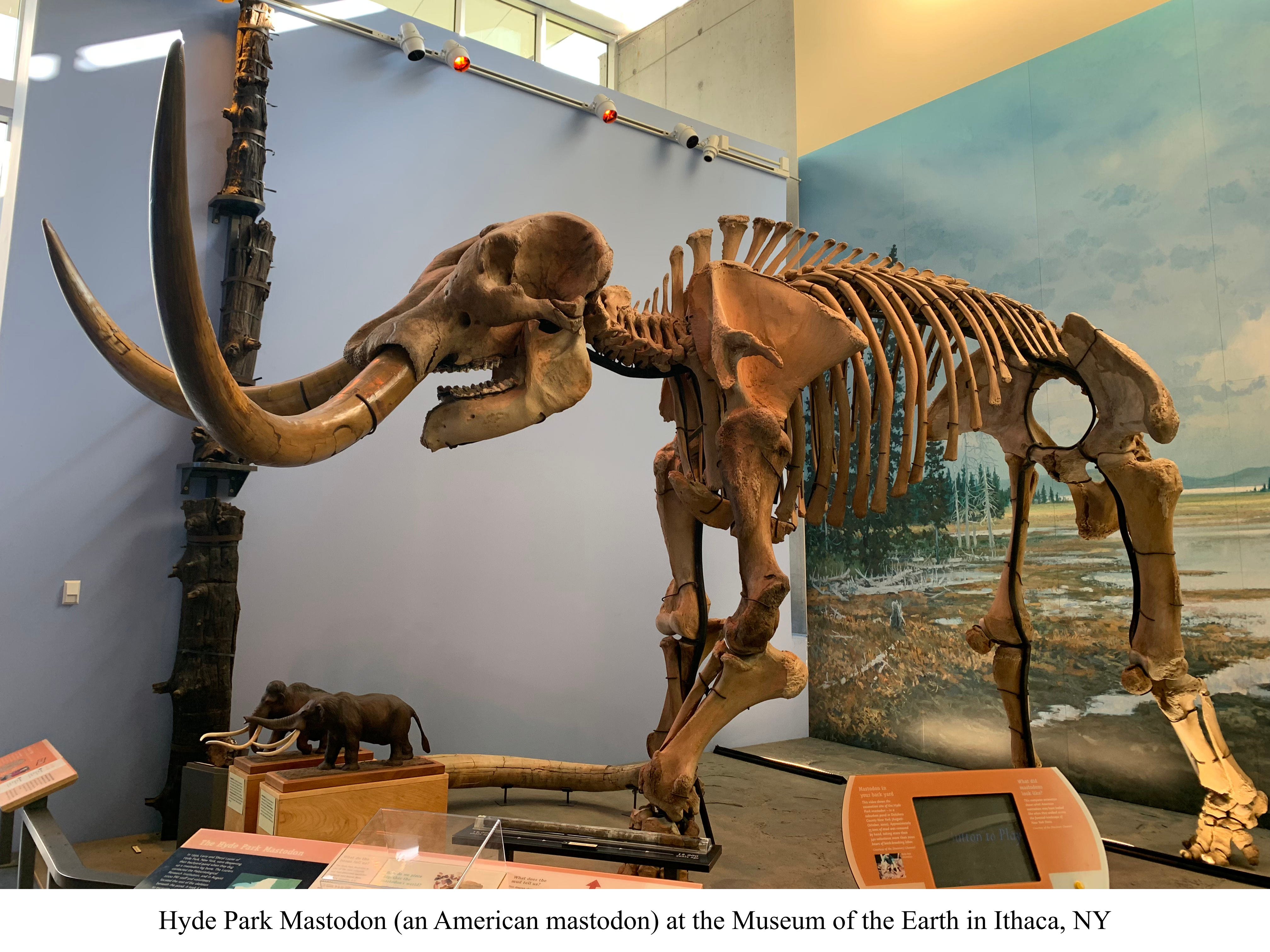
The American mastodon was hugely successful, populating mainly forested areas of much of the continent, spanning in range from coast to coast and from the upper reaches of Canada down to central Mexico. They have been found everywhere, with some notable specimens including the Hyde Park mastodon found in New York state and the Warren mastodon on display at the American Museum of Natural History. The quantity of discoveries and mounts of the beast betray just how common a sight they must have been. Not only numerous and wide-reaching, they also spanned a significant period of time: The American mastodon first evolved 4.7 million years ago in the Pliocene before dying out around 11,000 years ago in the Pleistocene.
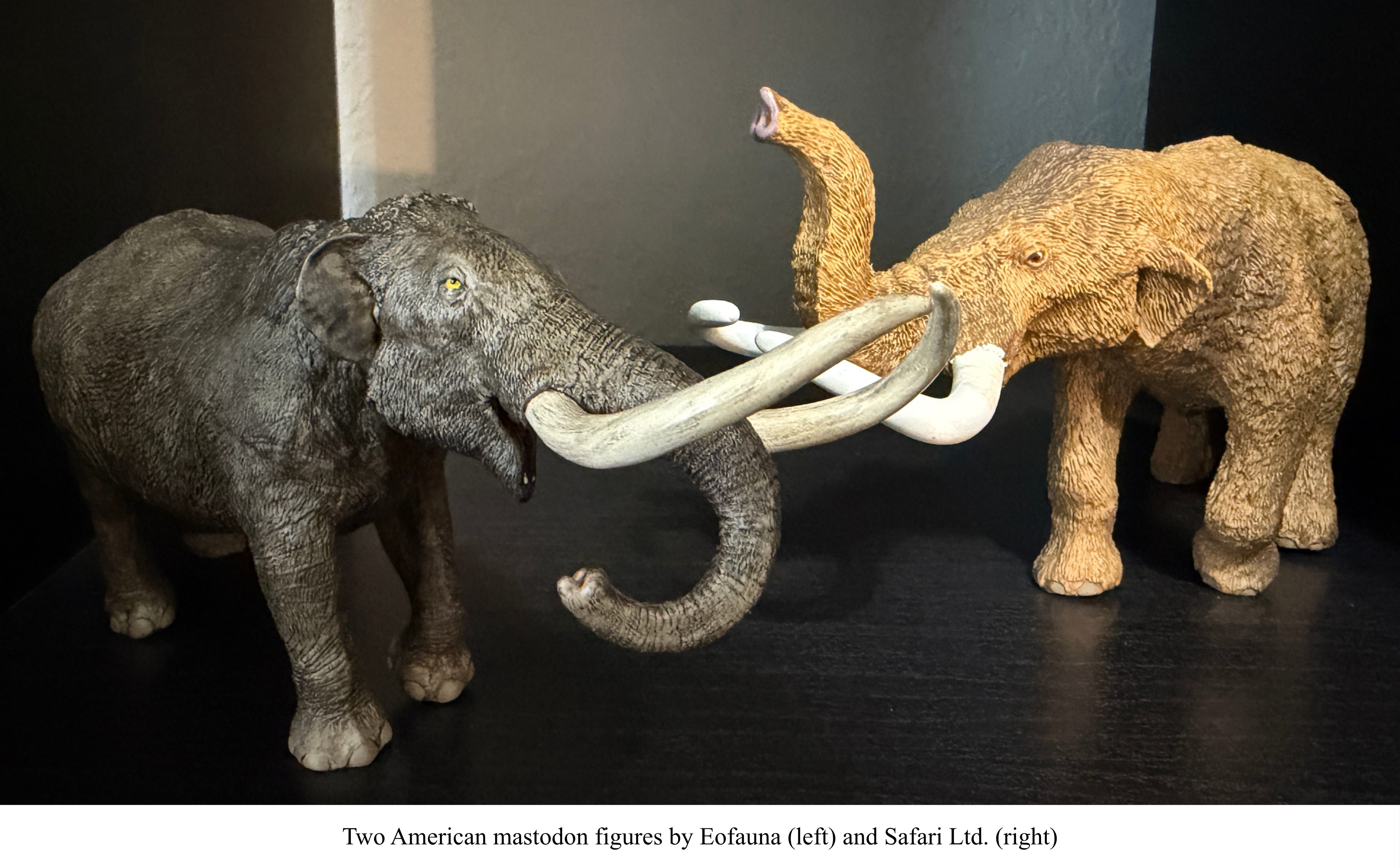
The name “mastodon” means breast tooth due to their molars possessing rows of two large cusps, perfect for eating vegetation. These teeth, known as “zygolophodont molars,” were very unique among proboscideans. The scientific name, Mammut, is the German word for “mammoth,” since they were initially thought to be closely related. Mammut, being a very old genus in terms of when it was named, was once used as a wastebasket taxon- a group that acted as a catch-all name for any animal even somewhat resembling it. In modern times, the genus Mammut is mainly known from M. americanum, but with some other, lesser-found species.
On the other end of the elephantimorphs are the shoveling amebelodontids, the paraphyletic gomphotheres, and Elephantidae. “Shovelers” is a term used quite a few times already in this article, which may seem unusual. However, it is fitting for the oddities that are the amebelodontids, specifically nicknamed the “shovel-tuskers.”
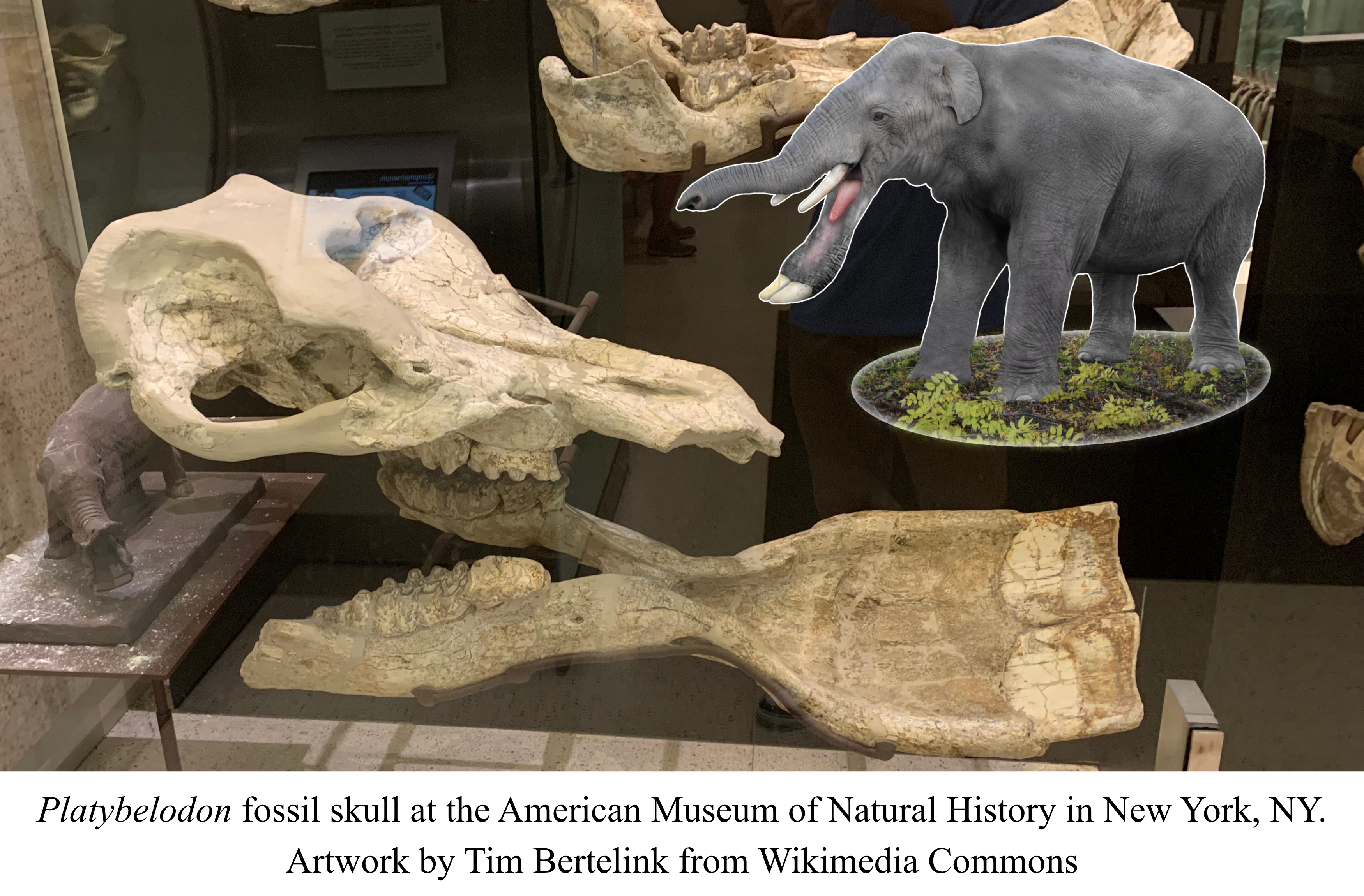
Found in Africa all the way to North America, these proboscideans generally have flattened lower tusks that were originally interpreted as being used for gathering and eating aquatic plants. However, more detailed analysis of the teeth point towards a much different use. Based on the species, according to Larramendi and Ferreti, the flat lower tusks may have been used for stripping bark, cutting plants, and digging or rooting. Platybelodon grangeri and Amebelodon fricki are likely the most famous amebelodontid species, but the family has many genera with varying lower tusks. Stenobelodon floridanus, formerly within the genus Amebelodon, is one example of a more conservatively-tusked species. Konobelodon atticus, meanwhile, is unique for being more derived, or closer to the tip of the amebelodontid family tree. It is also one of the largest, being far more robust than the living Loxodonta africana despite a similar height. In Konobelodon, the upper tusks were very straight and pointed a bit downward. Meanwhile, their lower tusks were less shovel-like than animals like Platybelodon while still fitting the common name of the group well. The last of the shovel-tuskers, including the late-surviving Konobelodon, died out just under 5 million years ago, during the late Miocene epoch.
A similar family, Choerolophodontidae, features two genera. Most notable is Choerolophodon, which features a whopping eight species. The oldest is C. kisumuensis, from early Miocene Kenya (almost 18 million years ago), while the most recent is C. pentelici, which went extinct in the earliest stages of the Pliocene (around 4.9 million years ago).
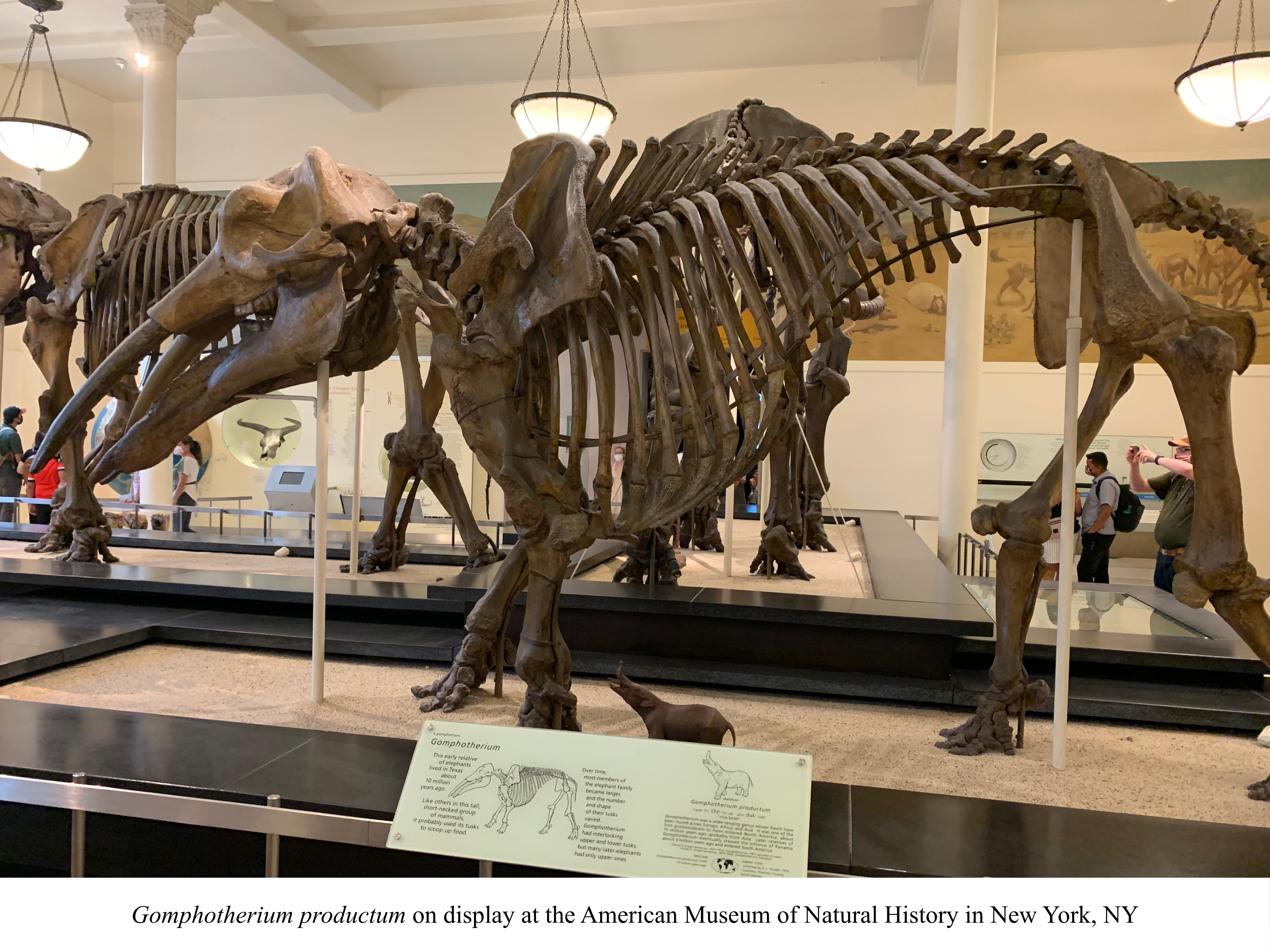
A highly problematic group within Proboscidea is the gomphotheriids. The group is paraphyletic, which means that it includes a common ancestor and some, but not all, of its descendants. In fact, some scientists recover the living family Elephantidae within Gomphotheriidae. However, even just focusing on the genera normally placed within the family (in accordance to those listed by Larramendi and Ferreti), we find great diversity. This vastness is exemplified by Gomphotherium itself, which has around 15 different species, ranging in location from Africa to North America. Similar to the amebelodontids, this genus had tusks protruding from its lower jaw, but not in a shovel-like manner. This extra-tusked appearance was lost in most later gomphotheriids, but a relatively elongated jaw remained.
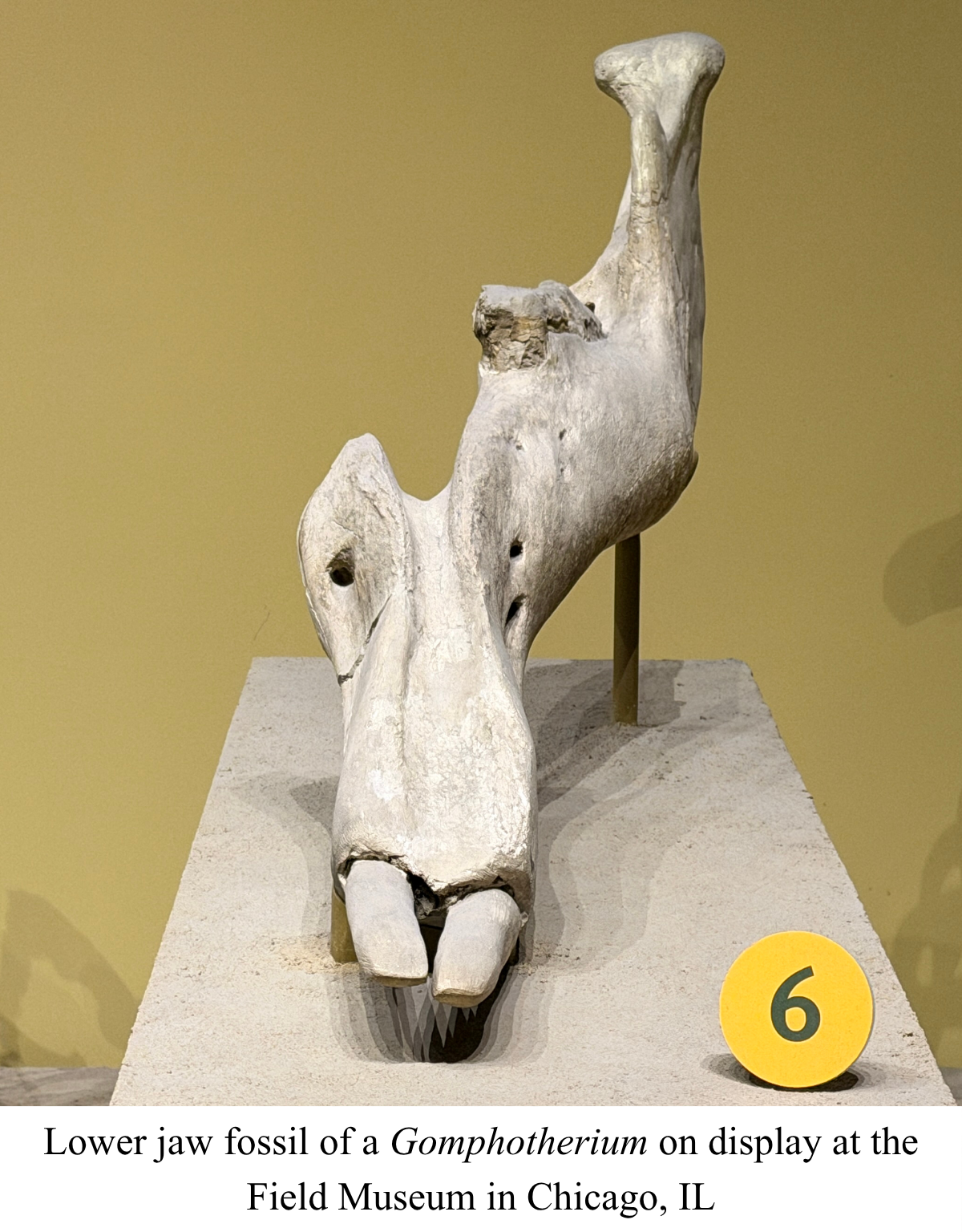
What is arguably most noteworthy with the group is that they are the only proboscideans to make it all the way down to South America. As is written in this Lamini article, the isthmus of Panamá formed around 3 million years ago, triggering the Great American Biotic Interchange (GABI). Two definitive species are known: Cuvieronius hyodon and Notiomastodon platensis. A third species, Amahuacatherium peruvium, is known from Peru, but its validity is disputed. Similarly, C. hyodon has some uncertainty. Known from North, Central, and South American deposits, some researchers believe the northern fossils should be re-classified into the genus Rhynchotherium. Regardless, the C. hyodon and N. platensis are unique trailblazers, traveling southward alongside horses, camels, and even saber-toothed tigers (Smilodon). Cuvieronius was well-suited for mountainous areas of the Andes, while Notiomastodon loved lower-lying regions. Unfortunately, the last gomphotheriids died out from the continent by 11,000 years ago during the Pleistocene.
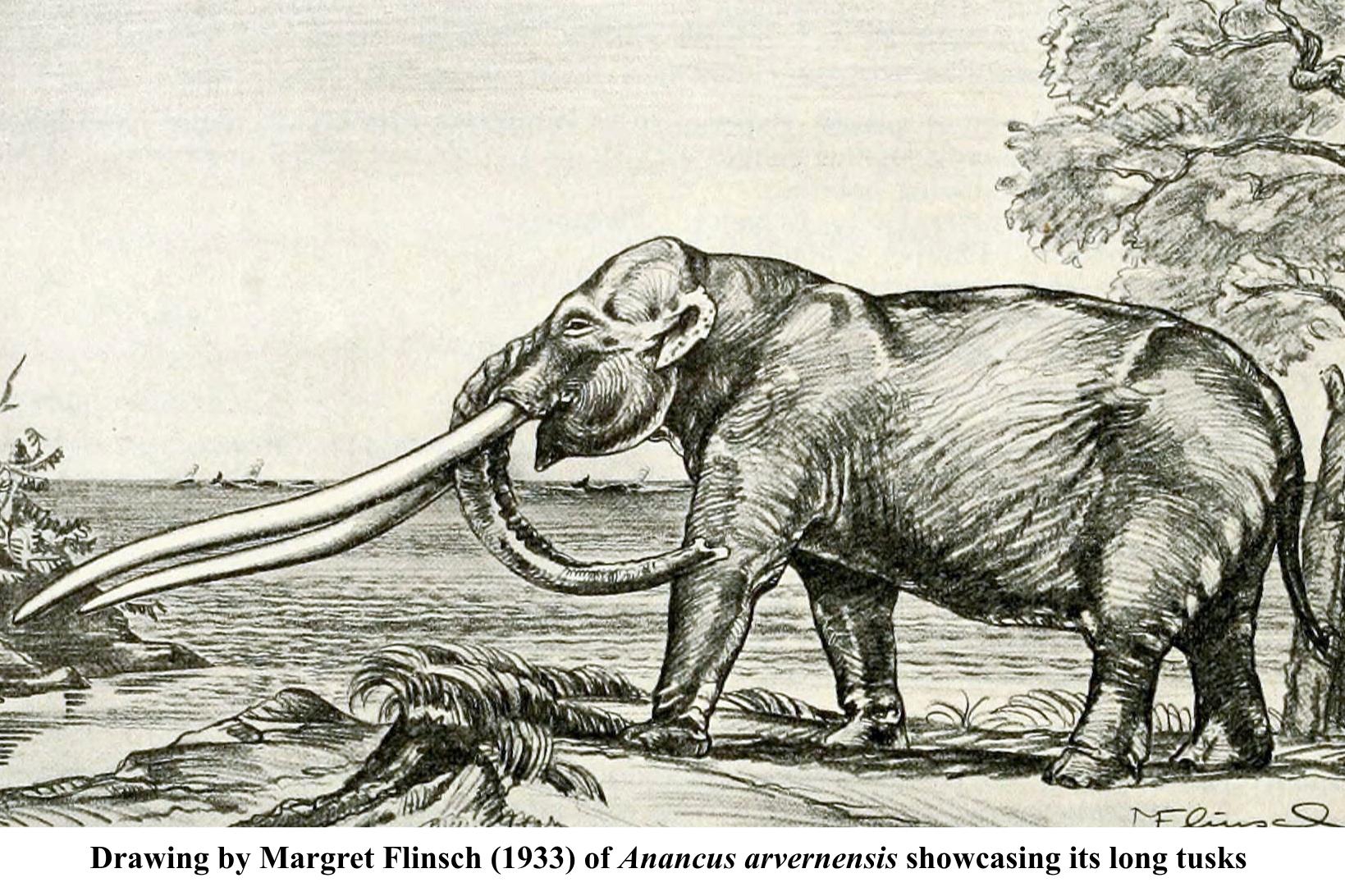
“Tetralophodont gomphotheriids” is a subsection of the gomphotheriids known for impressive tusks. Some, like Tetralophodon and Paratetralophodon, had four tusks: two lower and two upper. Anancus, meanwhile, had only two. But these two were arguably more impressive, as, in most species, they were absolutely gigantic in length. One species from South Asia, A. sivalensis, had tusks that measured just under 9 feet (2.7 meters). A. petrocchii, an extra-large species from Africa, had tusks that were up to 9.5 feet (2.9 meters), though they were less robust. Finally another, the European A. arvernensis, had behemoth 12-footers (3.7 meters).
Another group, the stegodontids, are the closest to modern elephants that we have seen so far. Despite only having two genera, the family is very diverse on a species-level. Stegodon is known from 22 species, while Stegolophodon is known from 12 species. These likely evolved from gomphotheres, originally with Stegolophodon in southeast Asia during the early Miocene. The northern-moving range of the genus over millions of years is one piece of evidence of the climatic warming that occurred during the Miocene. Eventually, Stegodon evolved from a population of Stegolophodon from China. Like Anancus, some Stegodon species had huge tusks. In Africa, Stegodon lived alongside a certain other proboscidean family: the elephants.
Elephantidae is the last major group of proboscideans. These are the true elephants; everything prior to this paragraph are not elephants! This family, the only extant proboscidean clade, includes the iconic living elephants (Loxodonta and Elephas), mammoths (Mammuthus), and other noteworthy genera such as Stegotetrabelodon, Palaeoloxodon, and Primelephas.
Stegotetrabelodon, which is the least-similar in appearance to the living elephants, was the first elephant to evolve, around 8 million years ago in the Middle East. Like some of the previous proboscideans, it had four tusks. Uniquely, all four are long and straight rather than curved. Primelephas, whose name literally means “first elephant,” is also noteworthy, since it is likely a close relative of the animals that eventually split into the two groups of modern elephants.
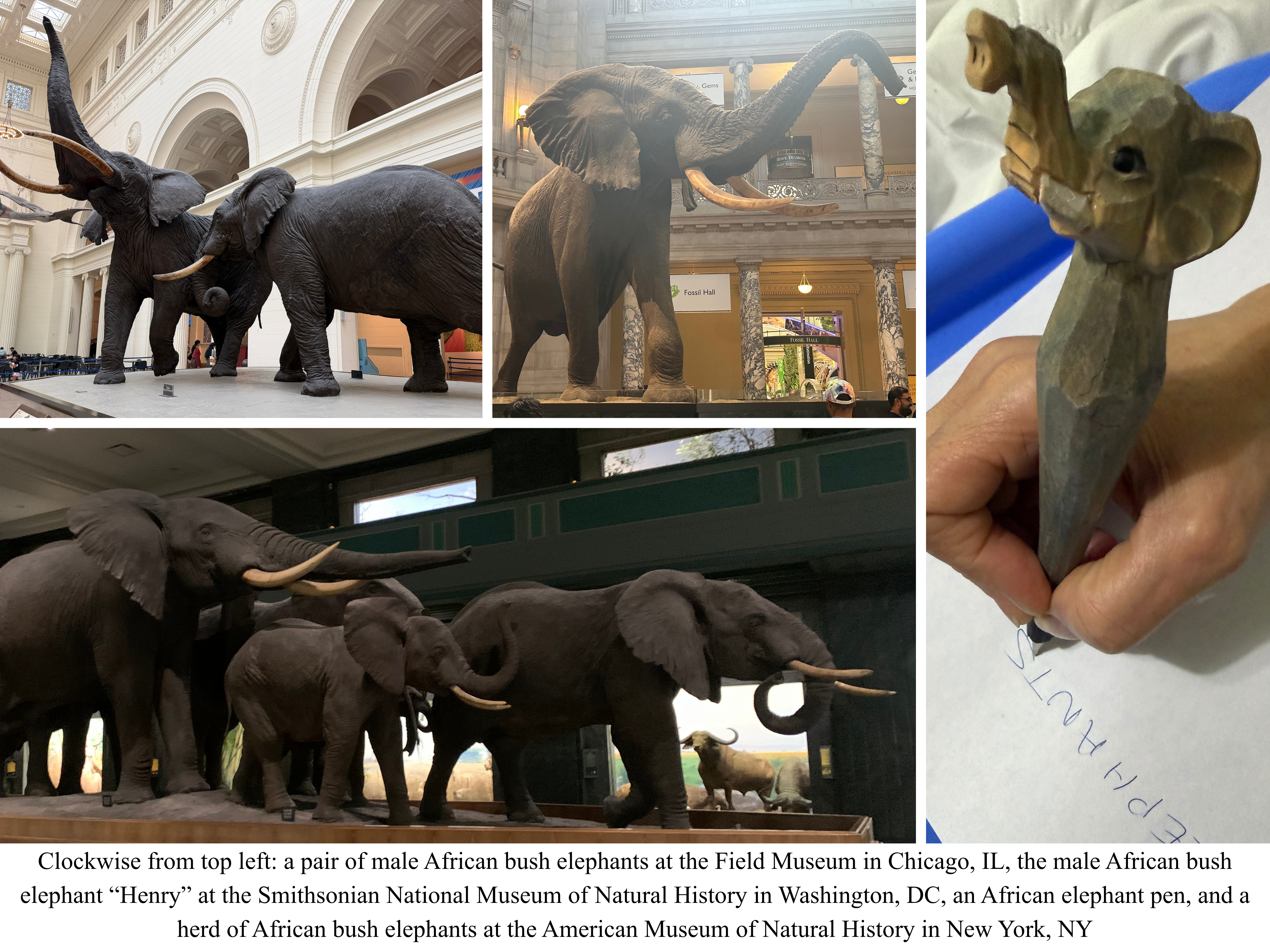
On the African elephant (Loxodonta) side, Palaeoloxodon’s main claim to fame is its size; both giant and tiny. Palaeoloxodon namadicus may well be the largest land mammal of all time (though the giant hornless rhino Paraceratherium was likely larger). This giant elephant could reach weights of up to 18 tons (36,000 lbs or over 16,000 kgs), which is equal to approximately three adult African bush elephants. Another slightly smaller- but still massive- elephant, P. antiquus, is known by the common name “straight-tusked elephant.” On the other end of the spectrum, P. melitensis, P. lomolinoi, P. cypriotes, P. xylophagou, and a still-unnamed species from Italy were downright diminutive elephants. The last of these was the smallest, weighing a maximum of 770 lbs (350 kgs). These were generally found on islands, where large animals usually turn smaller and small animals become larger over time. The process of a population of bigger-bodied animals, like Palaeoloxodon, turning smaller over time when on an island is known as insular dwarfism.
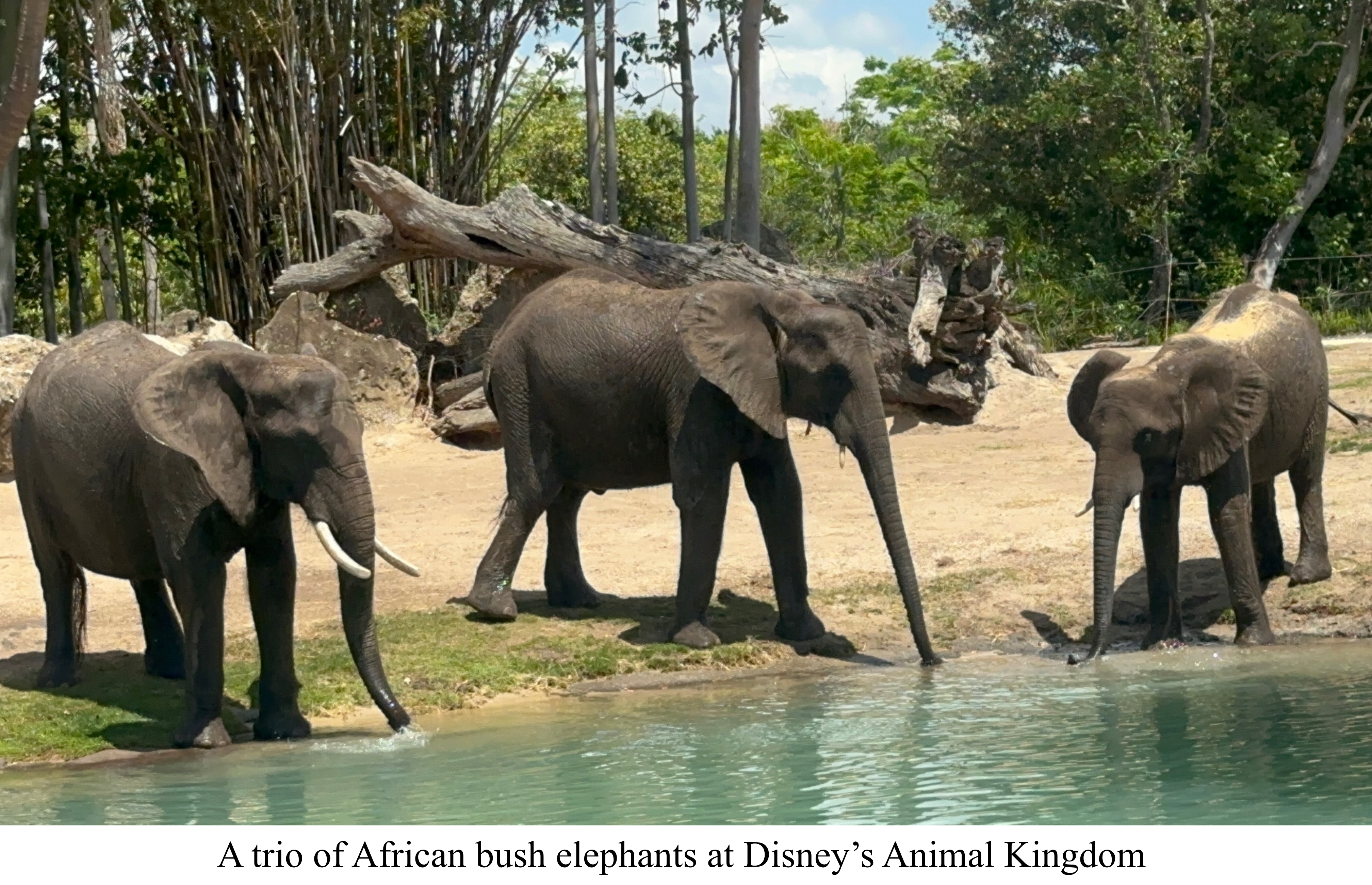
Loxodonta is the genus that carries the living African elephants. The first species in the genus dates back to over 6 million years ago and is named L. cookei. The modern African bush elephant, comparatively, evolved approximately 2 million years ago during the early Pleistocene in Africa. For a long time, the African forest elephant was considered to merely be a subspecies of L. africana. Thanks to genetics, though, scientists were able to firmly place them in separate species; in fact, L. cyclotis evolved around 4 to 5 million years ago, much earlier than the African bush elephants. Regardless, we are very fortunate that these remarkable elephants still exist in Africa, as other Loxodonta species went extinct.
The other group of elephantids are those closer to Elephas. Mammoths, the animals within the genus Mammuthus, are such elephants. Despite sounding a bit inconceivable, mammoths are closer to Asian elephants than Asian elephants are to African elephants! Mammuthus was a highly diverse genus, featuring behemoths, mostly naked tropical elephants, hairy ones, and even tiny insular dwarves. The first mammoth, M. subplanifrons, evolved in southern Africa during the late Miocene (around 5.8 million years ago) and likely looked similar, superficially, to living elephants. Mammoths spread into Eurasia soon afterwards. One such Eurasian species is M. trogontherii, otherwise known as the steppe mammoth. As the name suggests, it lived mainly in the mammoth steppe, a wide-reaching cold and open biome. The steppe mammoth was giant, measuring in at 15 feet (4.5 m) high at the shoulder. The steppe mammoth further made its way into North America before going extinct around 30,000 years ago.
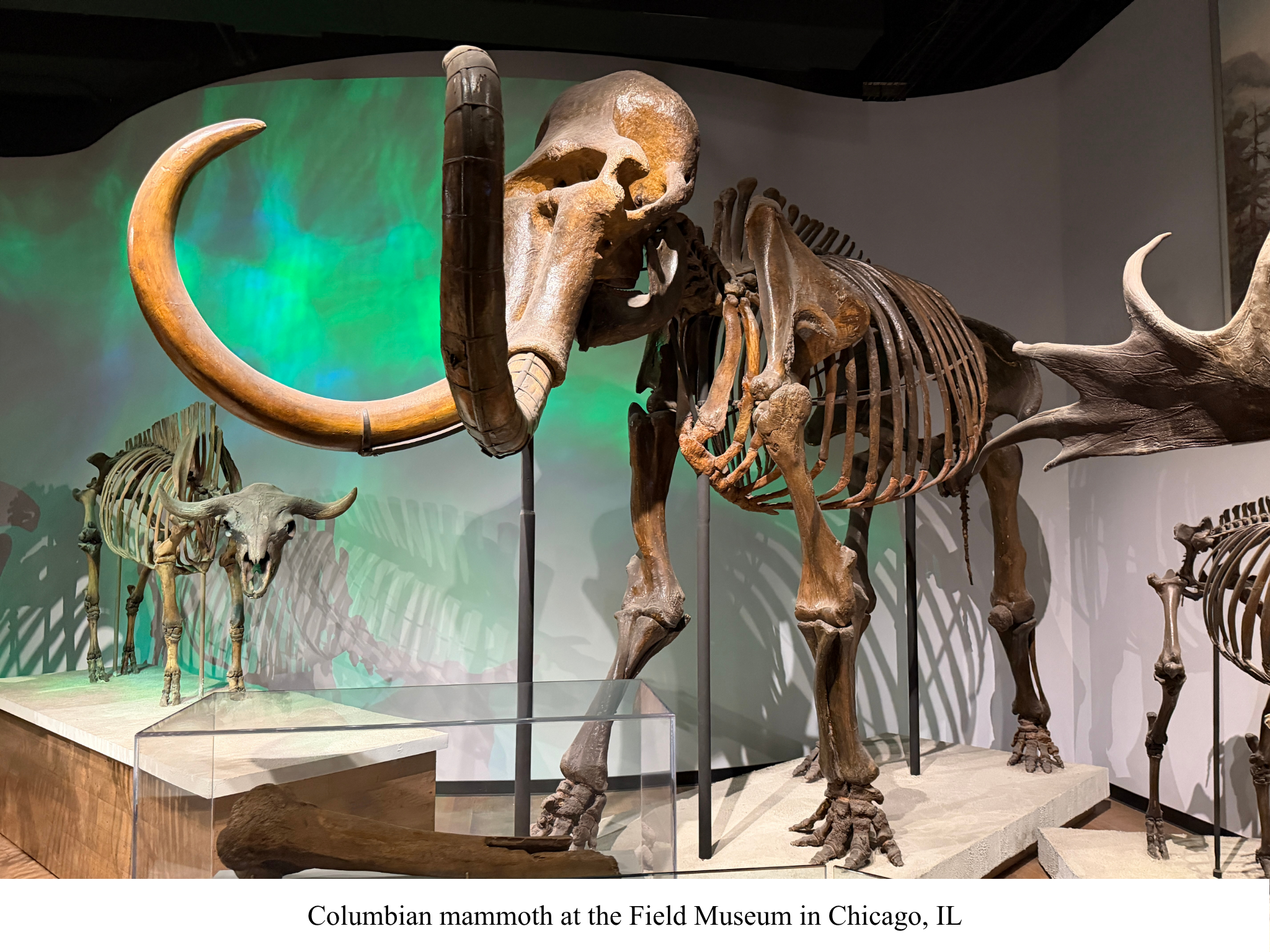
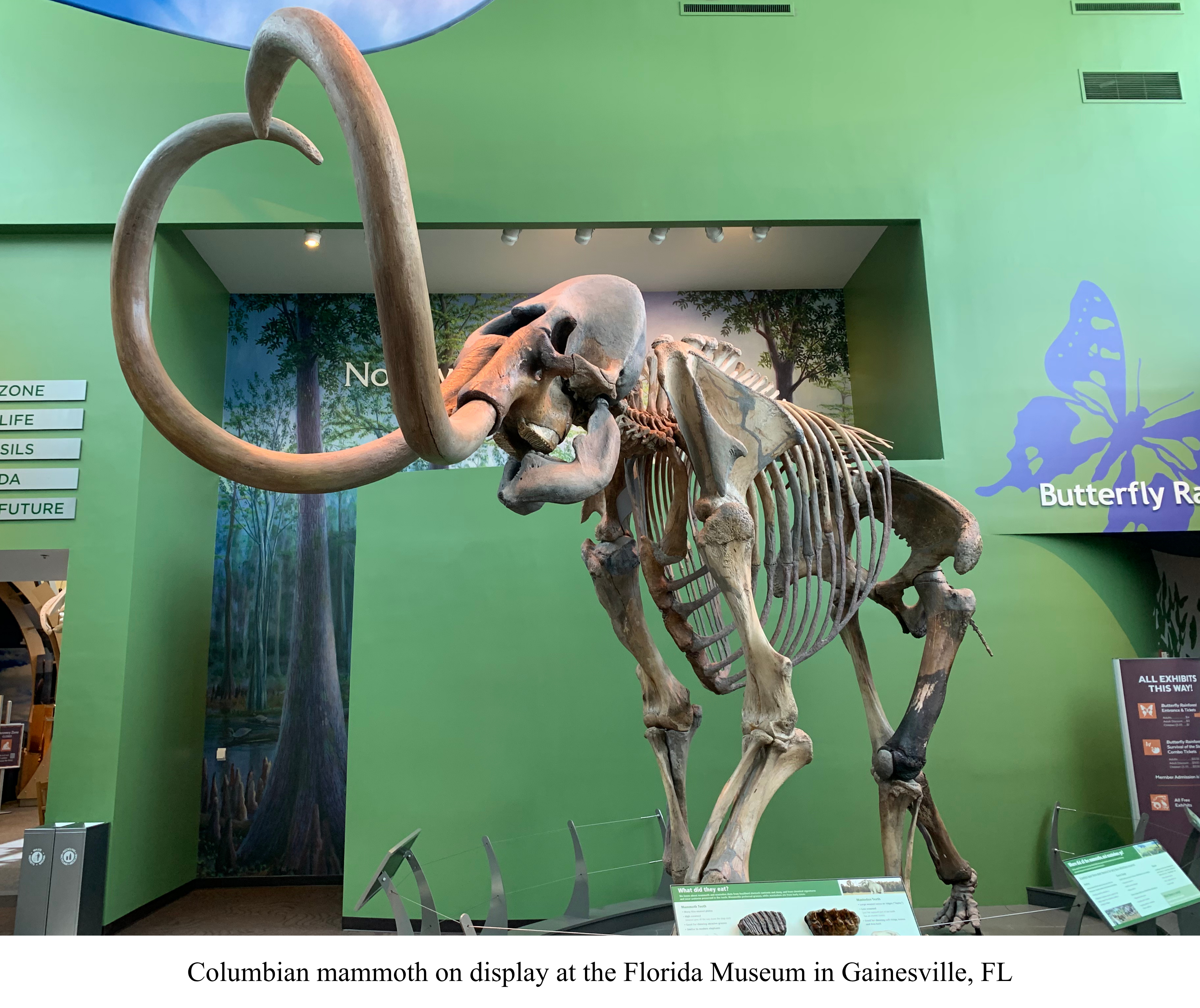
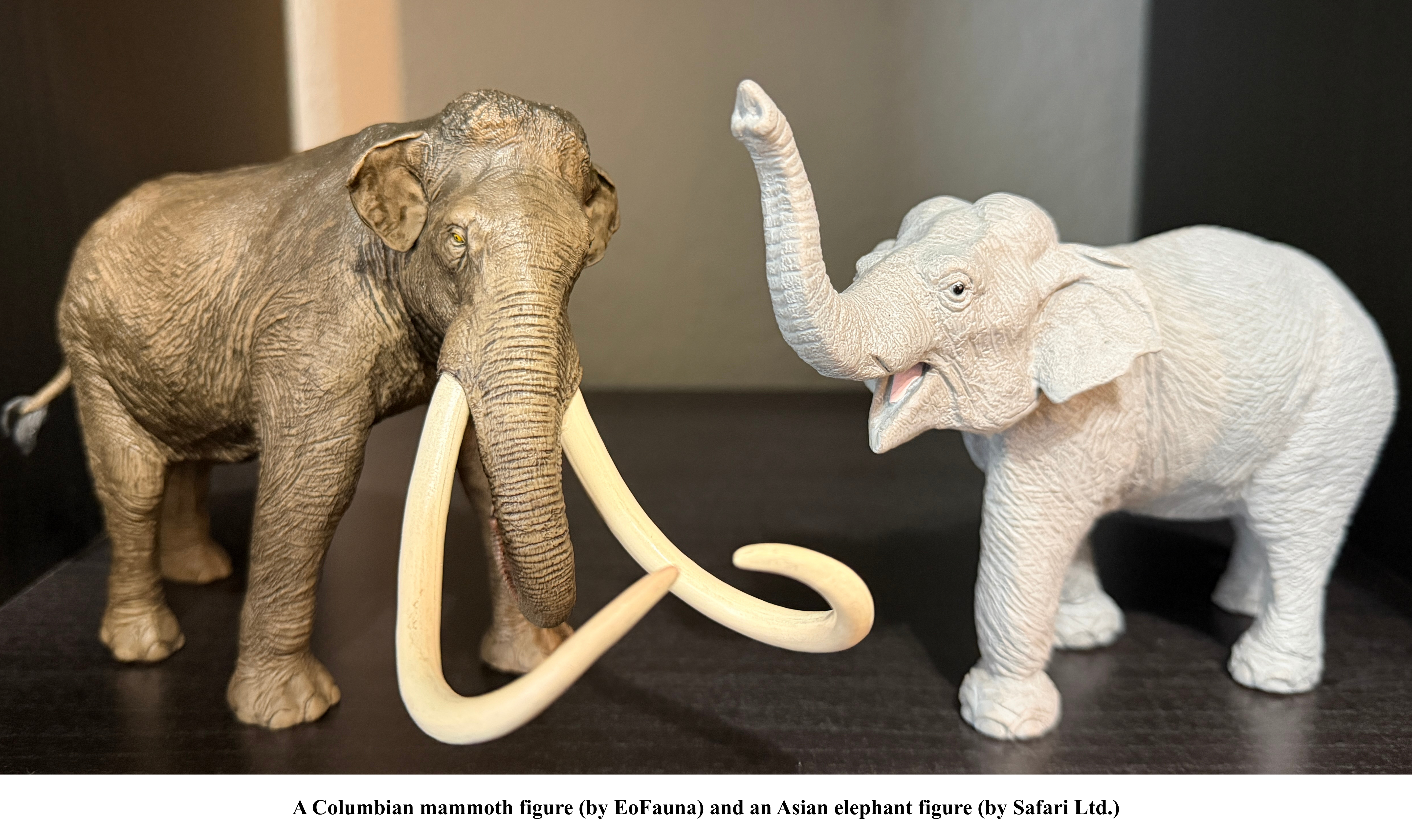
Also from North America is the Columbian mammoth, M. columbi. One of the most famous mammoths, this genus lived in the open plains all over the center part of the U.S. and Canada, being one of the most . It was a majestic beast, albeit slightly smaller than the steppe mammoth. Unfortunately, due to climatic warming starting around 14,000 years, the iconic Columbian mammoth began to decline. The youngest known fossil attributed to the species dates back to 10,700 years ago. A very closely related species, M. exilis, was tiny for an elephant. It inhabited an island off the coast of California, which is now a small island chain called the Channel Islands. Based on genetic analysis, the small, so-called pygmy mammoths actually evolved from a population of Columbian mammoths that swam over to the islands. Just like their bigger cousins, these minute mammoths went extinct around 11,000 years ago.
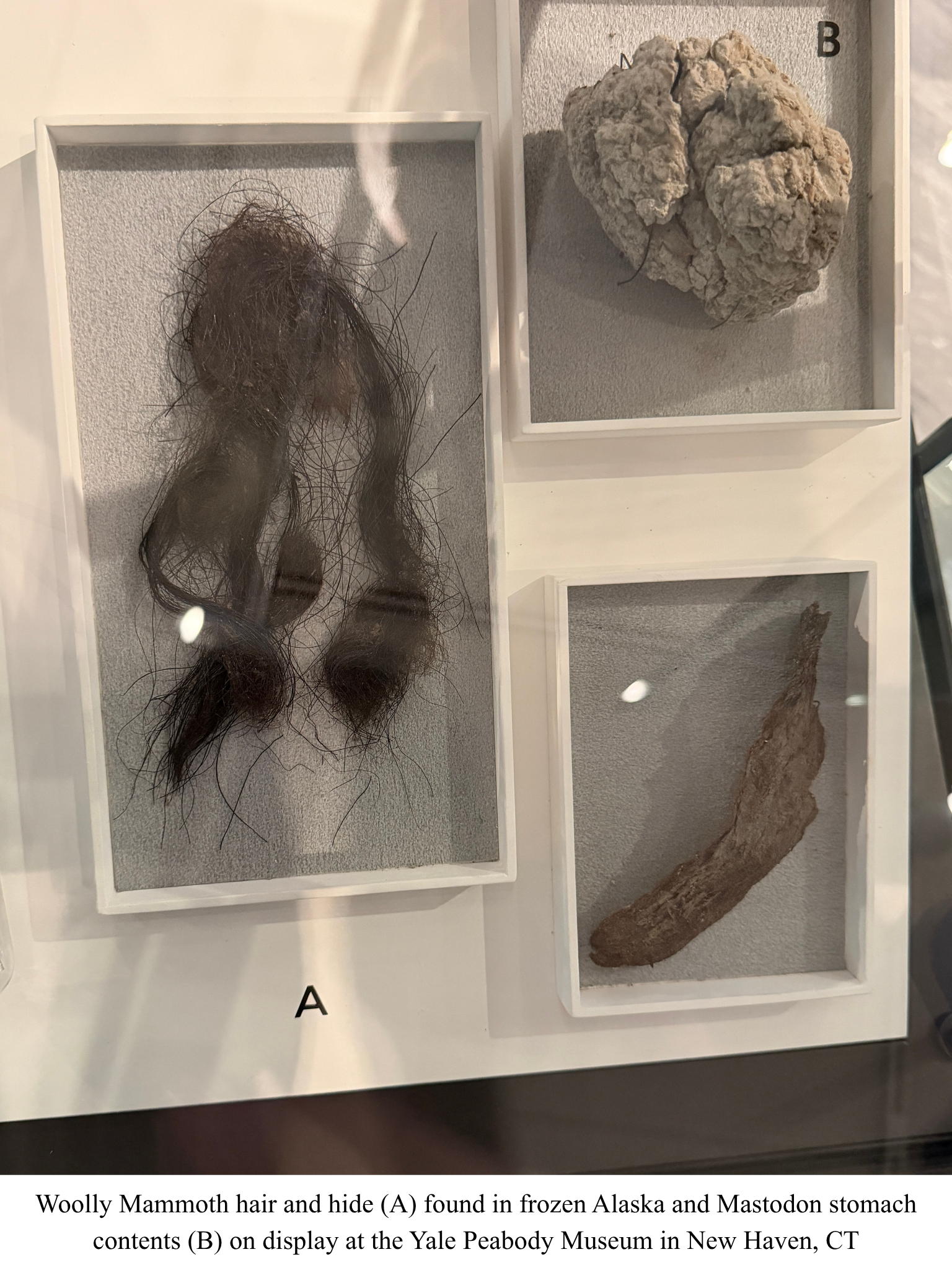
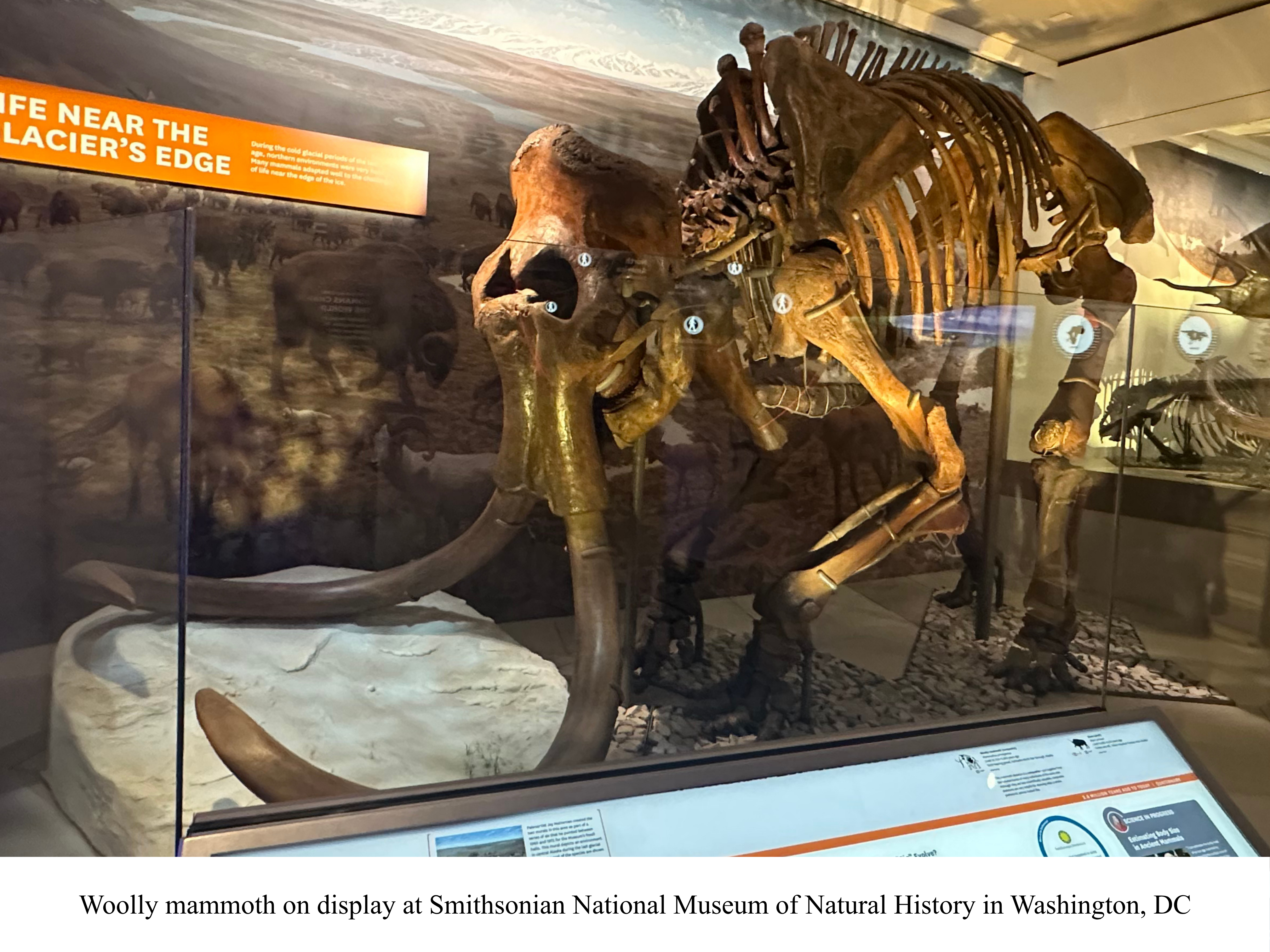
The last of these mammoths was arguably the most famous- the woolly mammoth, M. primigenius. Similar to the steppe mammoth, these woollies lived everywhere from northern Europe to the United States. Unlike most other proboscideans, where hair cover can be more speculative, the woolly mammoth fur is very well known thanks to frozen specimens from Siberia that were still covered in layers of shaggy hair. One exceptionally well-preserved woolly mammoth, known as the Jarkov mammoth, was found complete with its tusks, hair, and meat. To help protect the specimen while transporting it for study, it was airlifted while still entombed in a block of earth. Another famous frozen carcass, a baby named Yuka, also had hair intact. While these are newer finds, woolly mammoth remains have long come out of the frigid arctic. Much like elephant ivory has been traded (to the detriment of elephant populations), woolly mammoth tusks had frequently been collected and sold throughout Europe and Asia in the past.
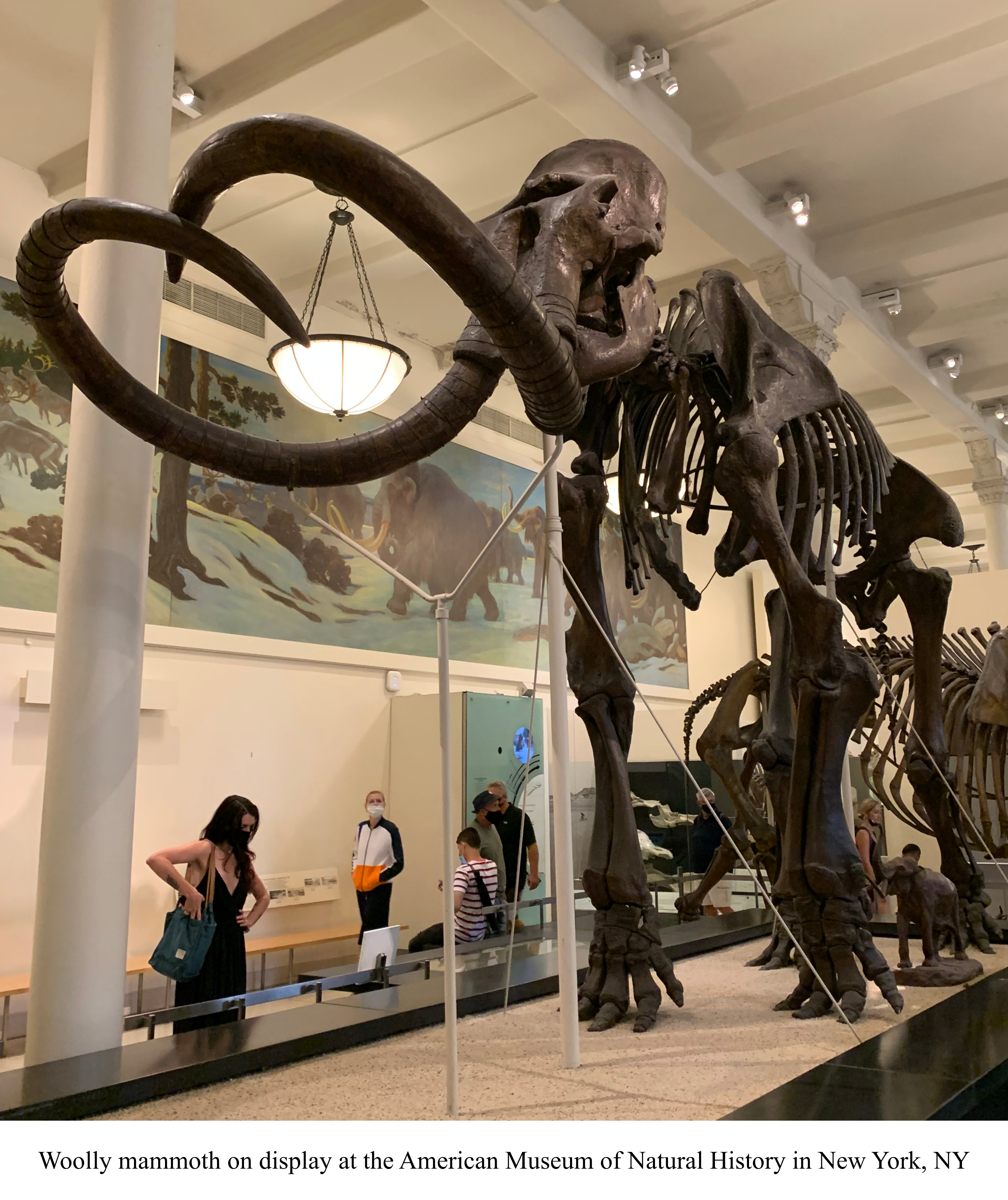
Woolly mammoths are the extinct elephants that got the closest to still being around today. While most went extinct around 11,000 years ago, some actually persisted for thousands of years more. However, they were a relatively small population on Wrangel Island, off the coast of Russia. In such cases, genetic diversity may not be sufficient to support the long-term success of a species. Bad genes may spread rapidly in such cases; indeed, the Wrangel woollies possibly had fertility issues and developmental defects according to PBS. According to Arppe et al, though, the population was stable enough to have survived much longer than they did. In their view, the final nail in the extinction coffin was brought on by a sudden disaster, such as a spoiled water supply or starvation. Regardless of the cause, these last mammoths went extinct around 4,000 years ago. To put that number into perspective, both the Great Pyramid and Sphinx had already been built! It is a sad reality that they were not able to live into the modern day.
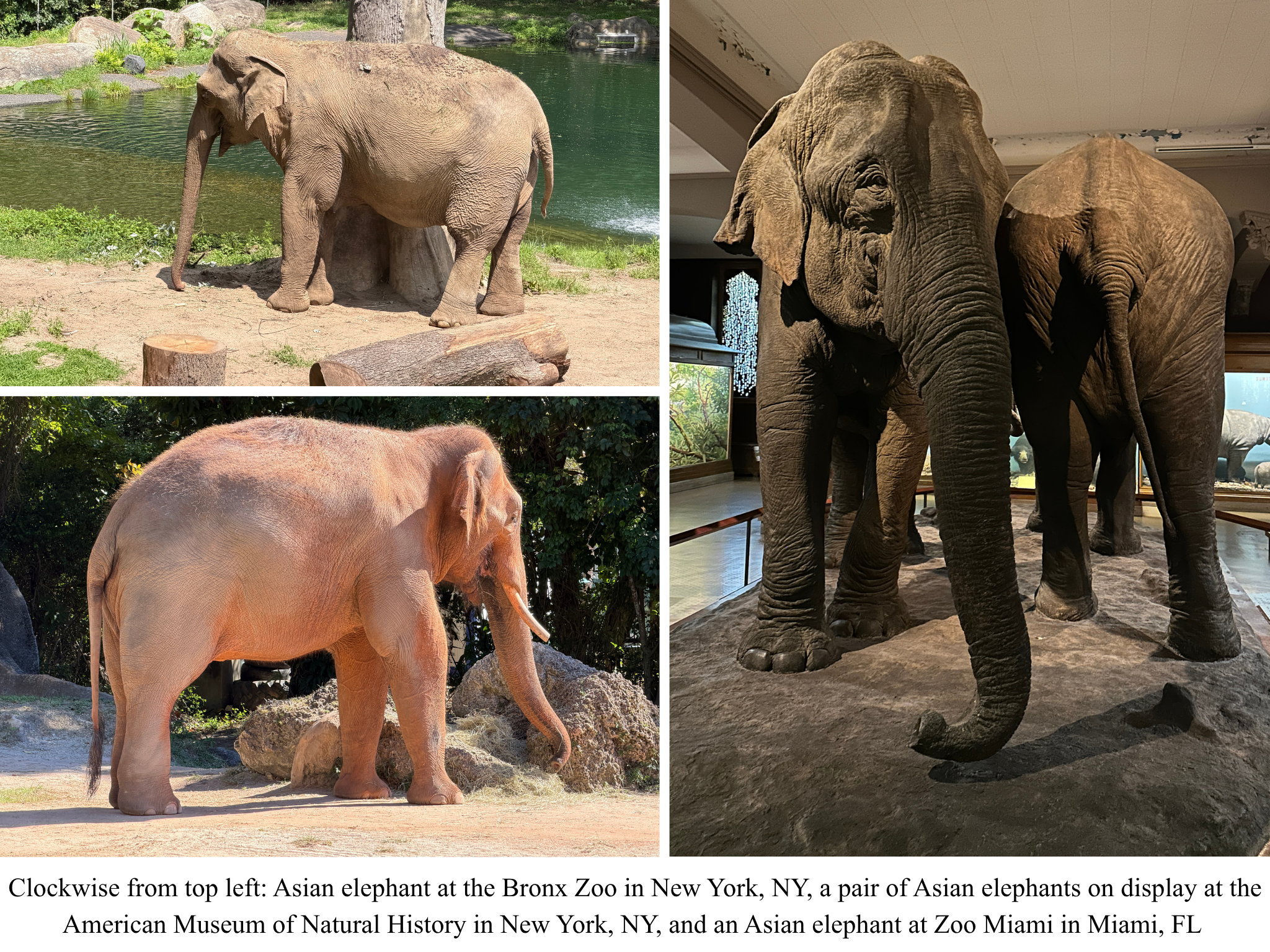
Finally is Elephas, specifically the Asian elephant E. maximus. First appearing approximately 250,000 years ago, this species is a bit more recent when compared to other proboscideans. It may have evolved from a population of E. hysudrindicus, which itself possibly came from the earlier E. hysudricus. The Asian elephant is famous for good reason, featuring in countless artwork, media, and even religious symbols. It is a mainstay of the faunal assemblage in many parts of Asia, today being found in areas of India, Sri Lanka, southeast Asia, and Indonesian islands such as Sumatra. This pales in comparison to its historical range, which includes huge swaths of land from the Arabian peninsula to China. A major cause of this geographic decline is hunting and habitat destruction at the hands of humans. Luckily, Asian elephants were able to survive into the present.
After 60 million years, the proboscidean clade went from dog-sized, trunkless mammals to the stately elephants of today. A wonderfully diverse group is down to only three species, all at risk from human activities. Some iconic proboscideans, like the woolly and Columbian mammoths, may have already been overhunted and gone extinct due to human action combining with a changing climate 11,000 years ago, so it is important to protect the ones we are lucky enough to have. Protecting these magnificent beasts is pivotal to maintaining their stable populations. Without elephants, the world would be without a proboscidean for the first time in tens of millions of years.
References:
Alford, John J. “The GEOGRAPHY of MASTODON EXTINCTION.” The Professional Geographer, vol. 26, no. 4, Nov. 1974, pp. 425–29, https://doi.org/10.1111/j.0033-0124.1974.00425.x.
Animal Origins. Mastodons: The Elephant’s Other Ice Age Cousins. YouTube, 2025, https://www.youtube.com/watch?v=8mYIHrgIcoQ. Video.
Arppe, Laura, et al. “Thriving or Surviving? The Isotopic Record of the Wrangel Island Woolly Mammoth Population.” Quaternary Science Reviews, vol. 222, Oct. 2019, p. 105884, https://doi.org/10.1016/j.quascirev.2019.105884.
Boulanger, Matthew T., and Brian Jones. “Radiocarbon Date of the Farmington/Pope Mastodon, Connecticut - Friends of the Office of State Archaeology, Inc..” Friends of the Office of State Archaeology, Inc., 2015, https://fosa-ct.org/radiocarbon-date-of-the-farmington-pope-mastodon-connecticut/.
Gheerbrant, Emmanuel. “Paleocene Emergence of Elephant Relatives and the Rapid Radiation of African Ungulates.” Proceedings of the National Academy of Sciences, vol. 106, no. 26, June 2009, pp. 10717–21, https://doi.org/10.1073/pnas.0900251106.
Larramendi, Asier, and Marco P Ferretti. Elephants and Their Fossil Relatives. Princeton University Press, 2026.
Maguire, Kaitlin. “The Elephantidae.” Berkeley.Edu, Nov. 2010, https://ucmp.berkeley.edu/mammal/mesaxonia/elephantidae.php.
———. “The Mammutidae.” Ucmp.Berkeley.Edu, Nov. 2010, https://ucmp.berkeley.edu/mammal/mesaxonia/mammutidae.php.
———. “The Stegodontidae.” Ucmp.Berkeley.Edu, Nov. 2010, https://ucmp.berkeley.edu/mammal/mesaxonia/stegodontidae.php.
Mothé, Dimila, et al. “The South American Gomphotheres (Mammalia, Proboscidea, Gomphotheriidae): Taxonomy, Phylogeny, and Biogeography.” Journal of Mammalian Evolution, vol. 20, no. 1, Mar. 2012, pp. 23–32, https://doi.org/10.1007/s10914-012-9192-3.
PBS Eons. The Island of the Last Surviving Mammoths. YouTube, 2021, https://www.youtube.com/watch?v=vCad77_c-LU. Video.
Yirka, Bob. “Well Preserved Mammoth from Siberia Shows Signs of Early Man Stealing from Lions.” Phys.Org, 5 Apr. 2012, https://phys.org/news/2012-04-mammoth-siberia-early-lions.html.
Photo sources:
All photos by Richard Gutiérrez unless otherwise noted
https://commons.wikimedia.org/wiki/File:Moeritherium_Walking_With_Beasts.jpg
https://www.mainz-tourismus.com/en/explore-enjoy/living-culture/museums/natural-history-museum