How Now, Brown Cow Ancestors?
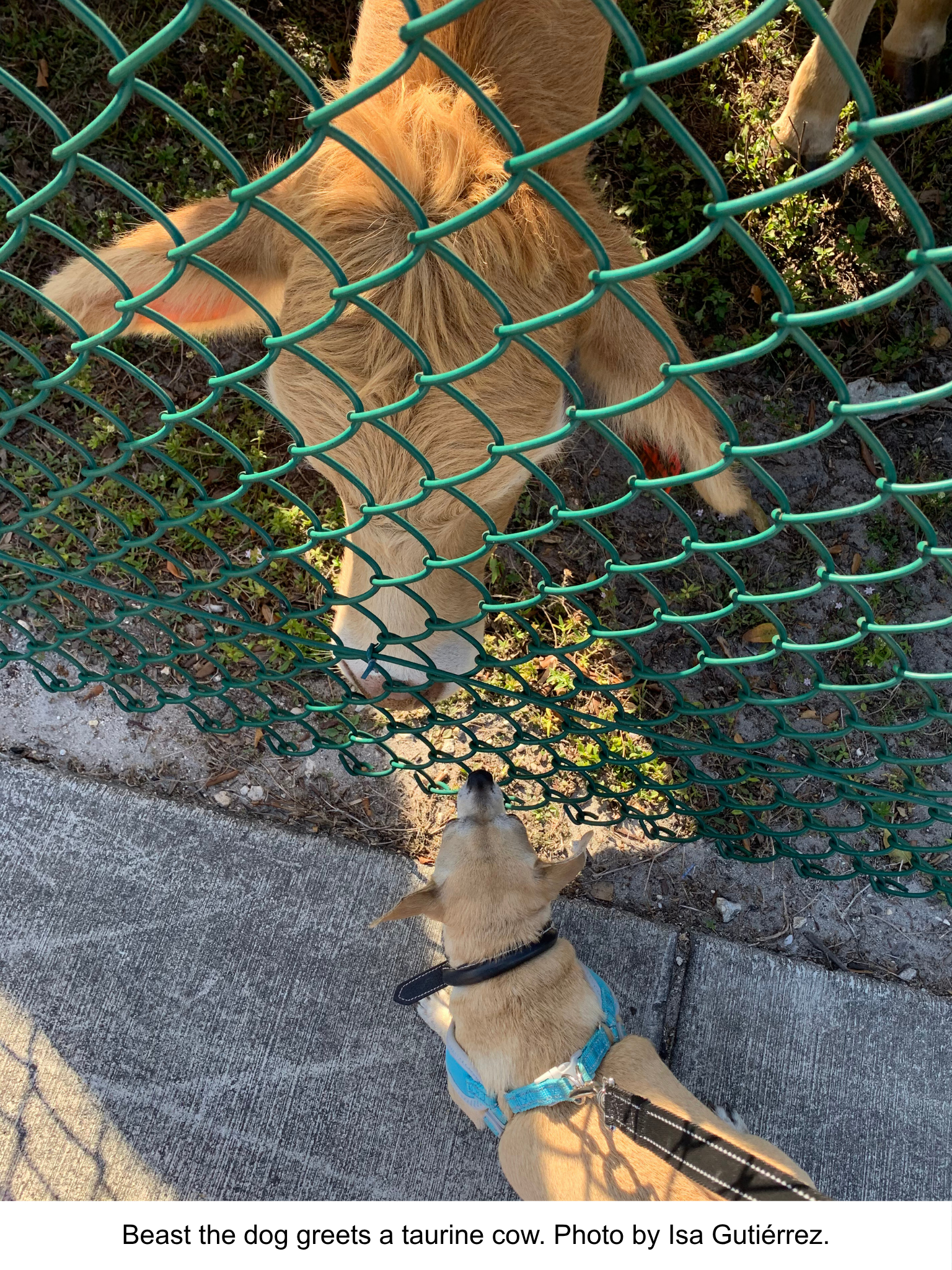
Cows: we all know them, we all love them. But what is the true story behind how these milk mavens evolved? First, it’s important to define what we mean with “cow.” Cows are technically only the females of cattle, where males are called bulls. More specifically, most cows one may think of are taurine cattle (Bos taurus), but this species is far from the only cattle group around. In fact, Bos consists of five living species, though there are also two very closely-related extant Bison species. Today, we will focus on two domestic species and a highly influential extinct species.
Cattle are vital to our current food landscape, as they produce milk and meat. The domestication of the cattle, therefore, is a very important story. Taurine cattle were likely domesticated in the Middle East’s fertile crescent over 10,000 years ago- only 1,000 years after the end of the last ice age! A second domestication event for the taurines in Egypt is proposed by Daniel Pitt and colleagues, but the fertile crescent is the main region commonly referred to as the true birthplace. The beasts likely entered Europe, for instance, through two main pathways: the Danube river and the Mediterranean sea. Ultimately, the domestic cattle reached the western edge of the Iberian peninsula around 7,000 years ago.
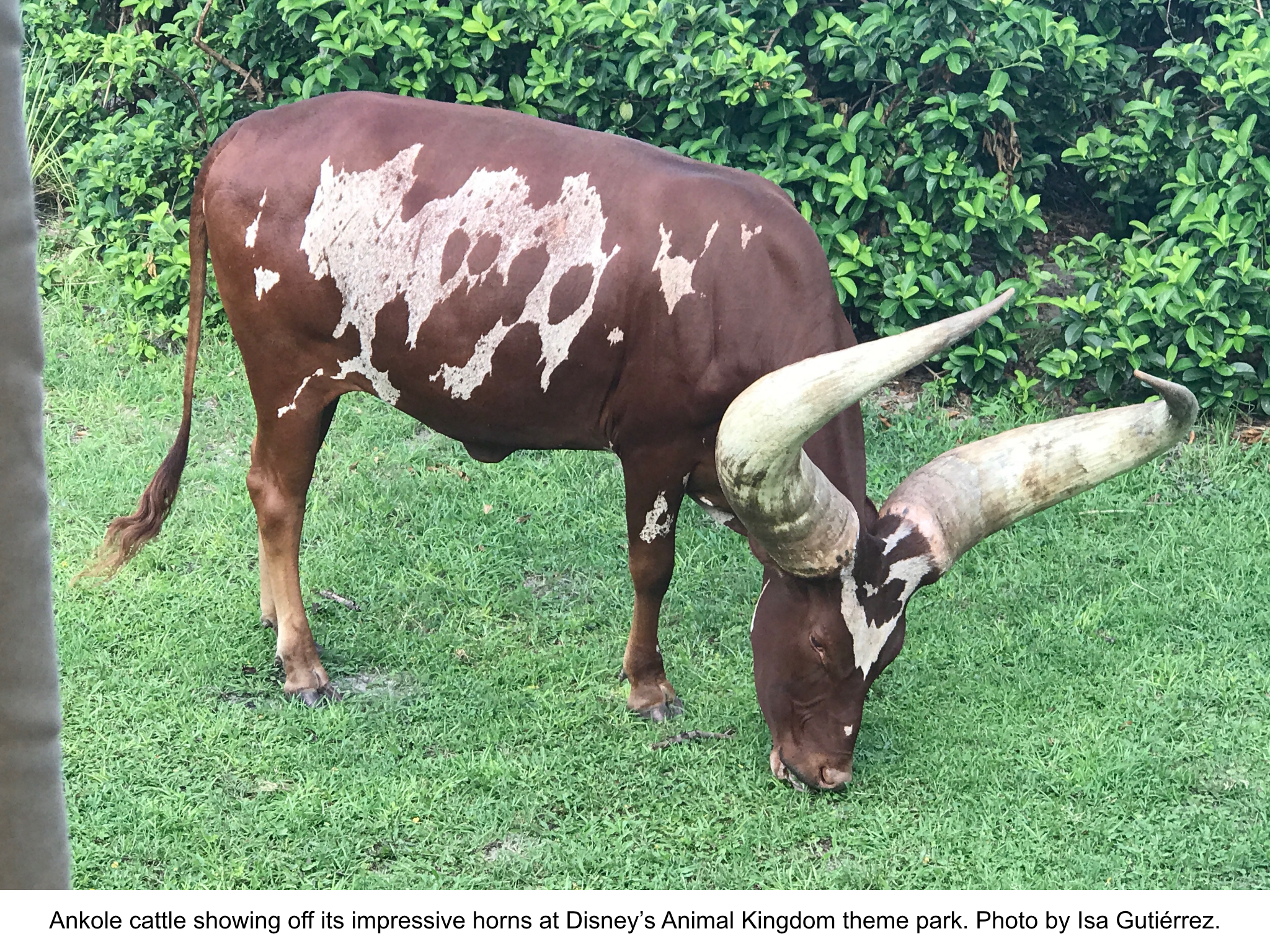
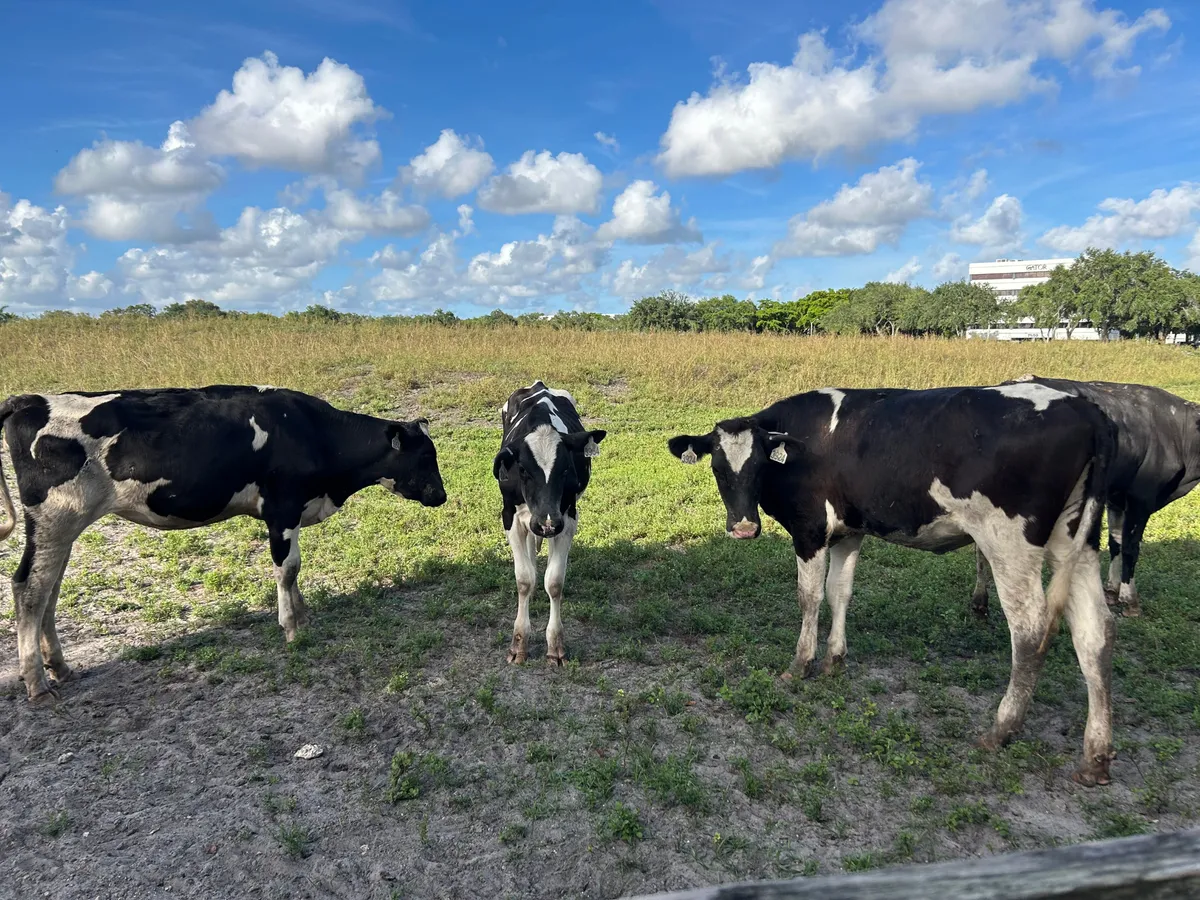
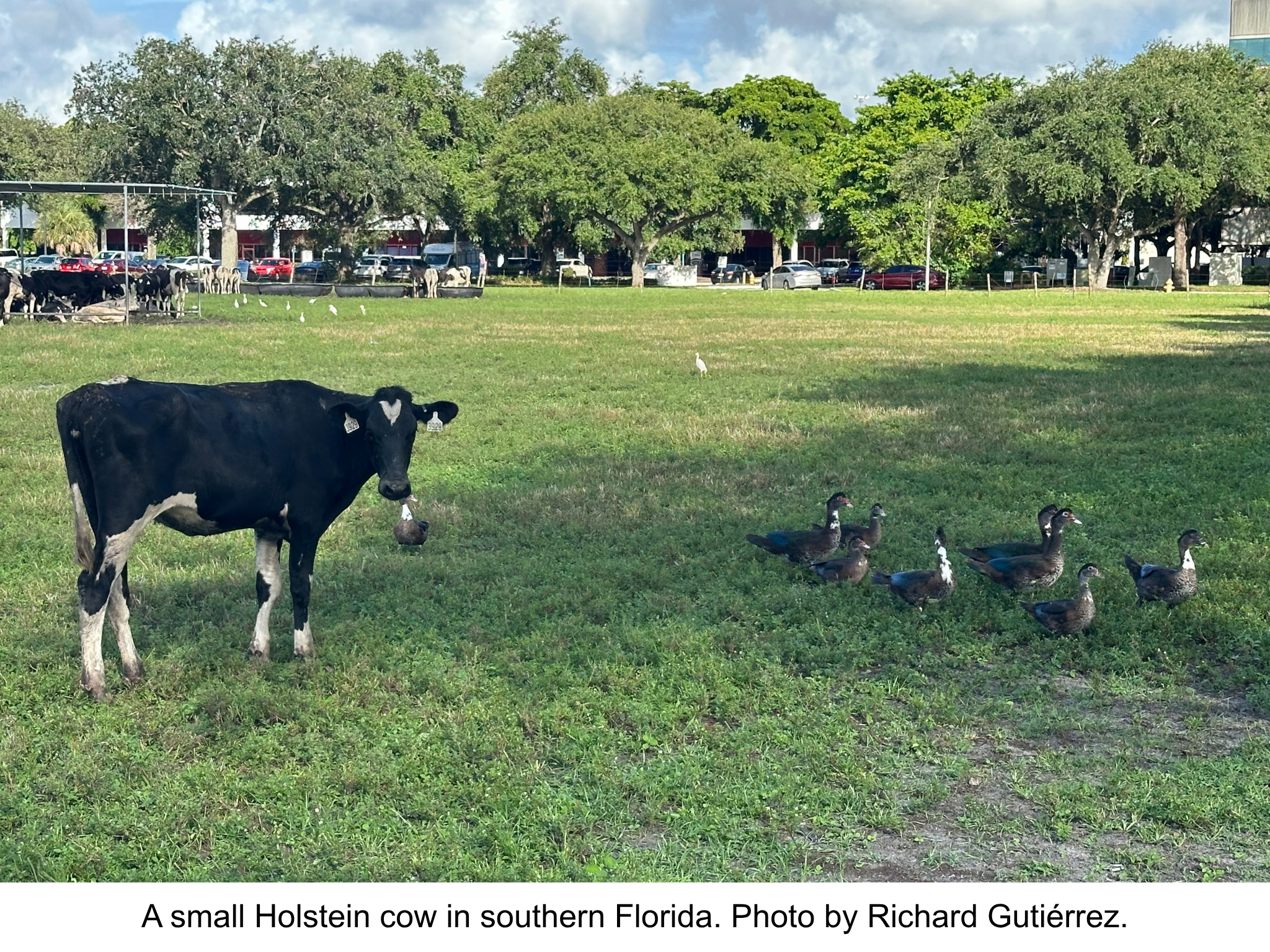
Our beloved cows are characterized by their humpless shoulders, horns, wide snouts, hooves with an even number of load-bearing toes, and flickering tails. They’re large animals; adult cows can weigh more than 1,500 pounds (680 kgs) while the bulls can even surpass 2,000 pounds (900 kgs)! However, the exact appearance, much like with dogs, can be contingent on the breeds. Each breed may have unique purposes, as well. Some notable breeds of taurine cattle include the Holstein, which has the iconic black and white patterns typical of cartoon cows. They produce high quantities of milk and were originally bred in the Netherlands. By comparison, the original-Scottish Angus breed is known primarily for their spot-less bodies and tender meat. The similarly meat-producing Texas Longhorn cattle are easily spotted by way of their extremely long horns. Another part of the world with massively-horned cattle is central and eastern Africa, where the impressive Ankole cattle can be found with their 6-foot (1.8 m) wide horns. Finally, the adorable Highland cattle are known for their long, woolly hair.
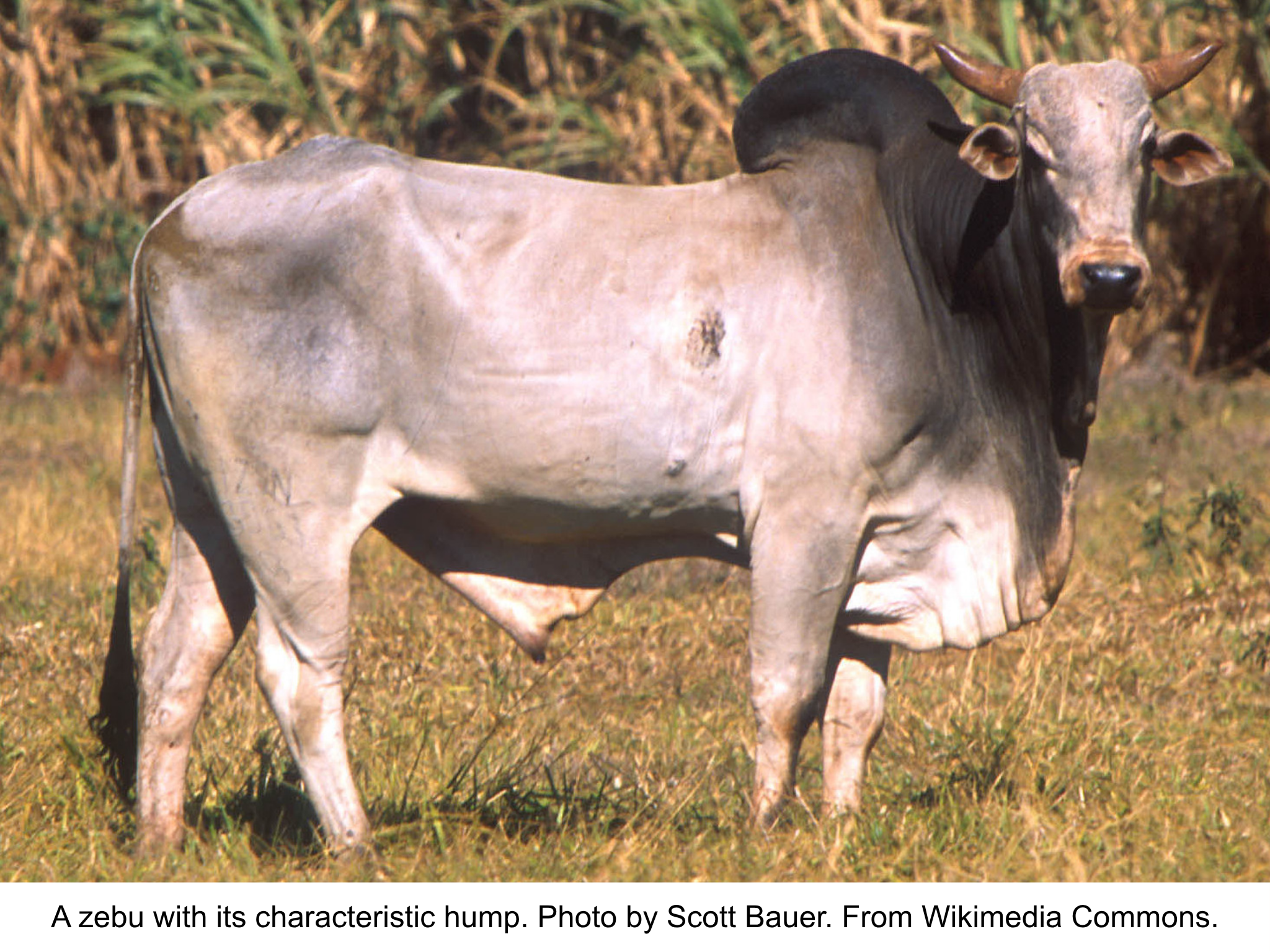
With how diverse the B. taurus species can be, you’d be forgiven for assuming that the domestic zebu cattle of the Indian subcontinent is simply another breed. However, these famously-humped cattle are actually a different species altogether! B. indicus first rose in the Indus valley independently of the taurines. These so-called indicine cattle are the primary cattle of choice throughout south and southeast Asia, as well as southern China. The further north you go, the more likely the ranches and farms breed taurines. In some of the margins around those areas, hybridization has occurred between the taurine breeds and the zebu. One famous zebu breed is the Brahman cattle, which is renowned for its heat tolerance and their use in beef production. These big guys are often seen in the southern United States, where they came in from an imported group of Indian zebu.
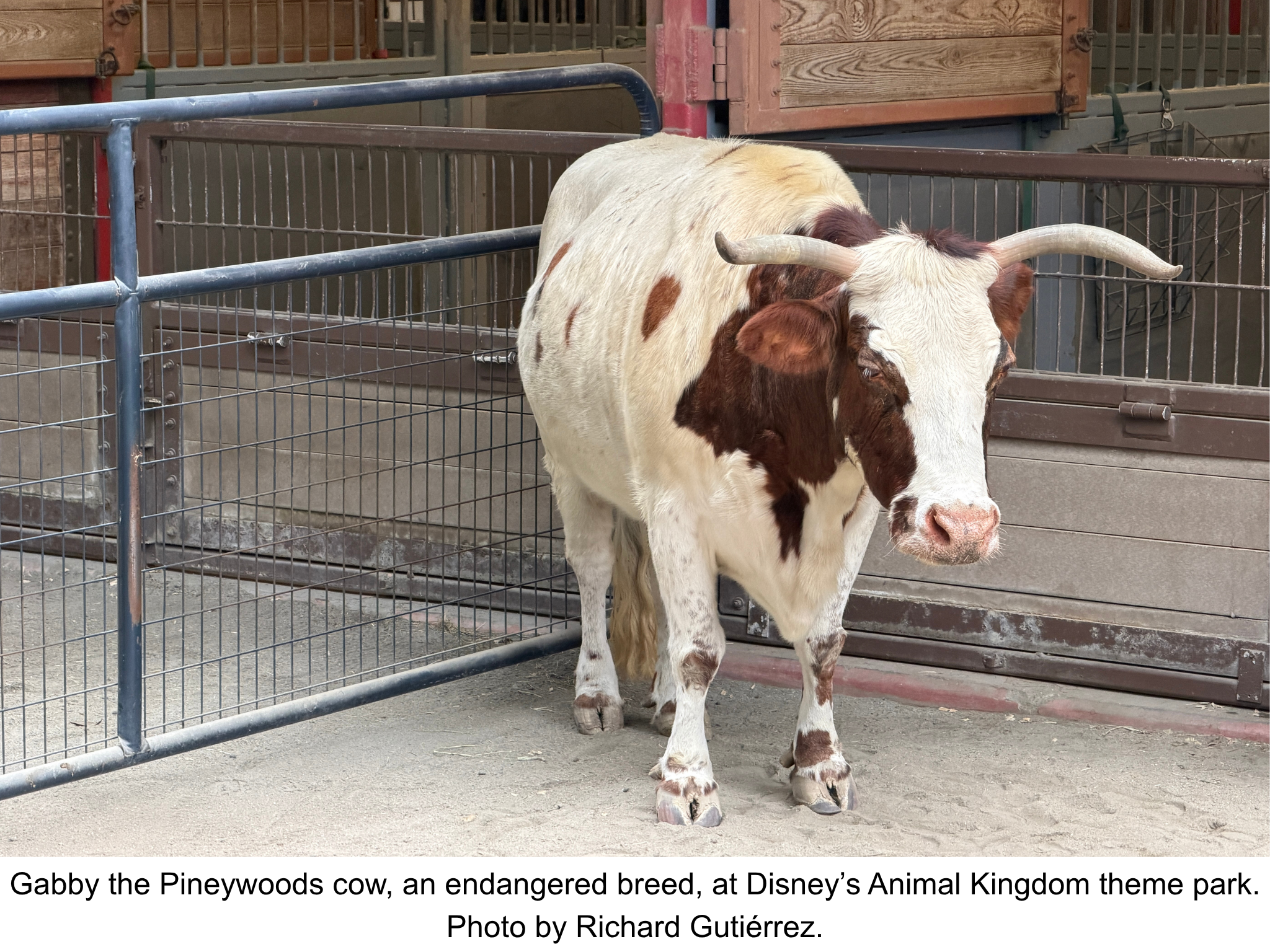
What the two types of domestic cattle have in common lies in their ancestor, the aurochs. B. primigenius was a large, wild cattle found all throughout Eurasia, divided into various subspecies. The Indian subspecies, B. p. namadicus, was plentiful on the subcontinent during the Pleistocene and beyond. Meanwhile, the Eurasian aurochs, B. p. primigenius, was an iconic group found from the Middle East to as far west as Gibraltar. Aurochs in general also inhabited Africa and the far eastern parts of Asia. As you may have gathered, the Eurasian subspecies gave rise to the taurine cattle while the Indian subspecies eventually led to the indicine cattle.
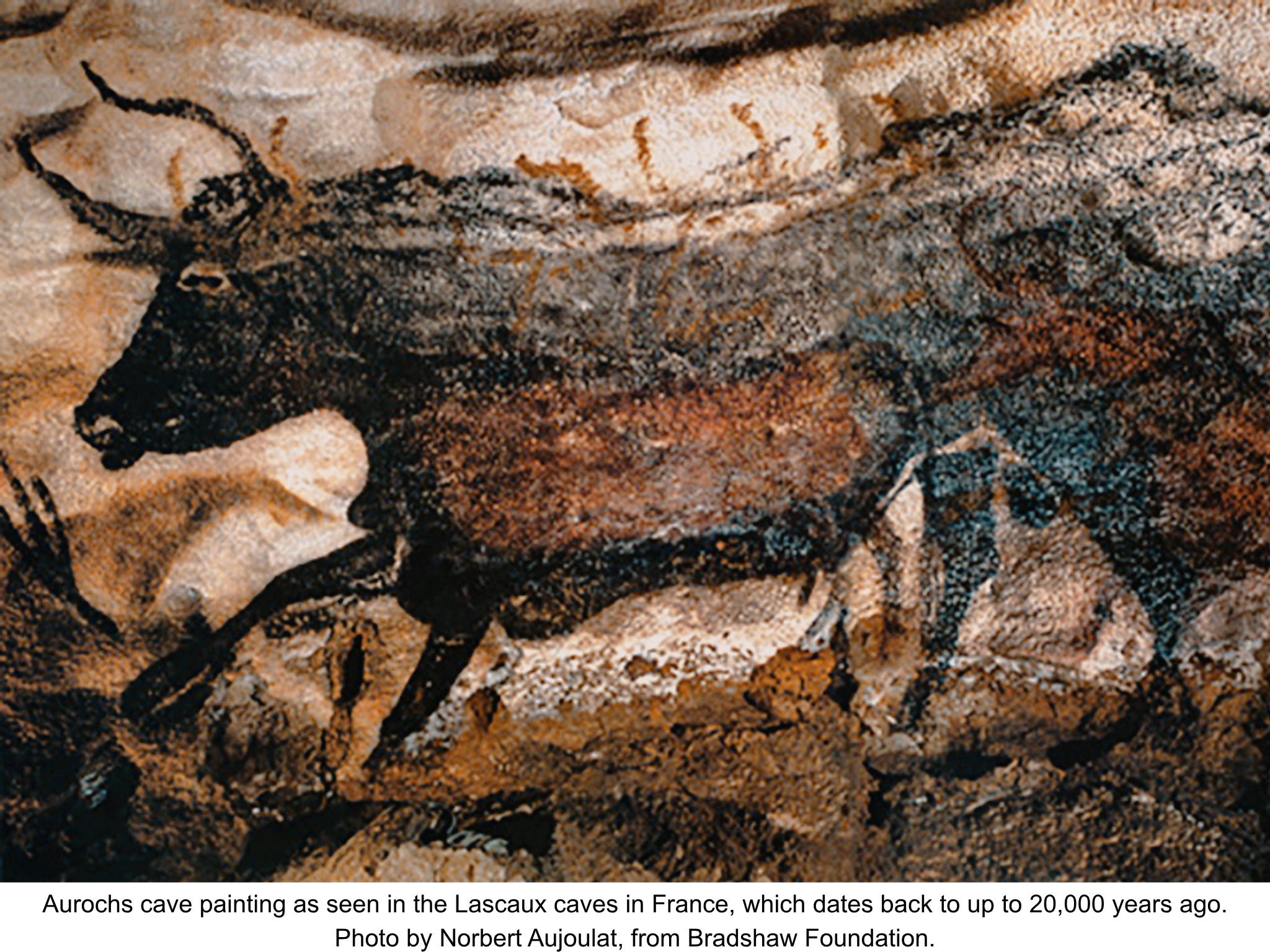
Aurochs of any subspecies were prevalent as one of the most massive ice age mammals. A major part of the Pleistocene faunal assemblage, aurochs is regarded as a keystone species, which means that its presence has a major impact on its environment. Part of the ongoing success of cows is how they are highly adaptable, and aurochs were no different. In the various grasslands, fields, and forests that they inhabited, they would have crossed paths with woolly mammoths, woolly rhinos, extinct steppe bison and living wisents (European bison), wolves, bears, wild horses, neanderthals, and ancient humans. Even prior to any movements towards domestication, the aurochs were often a source of food for humans by way of hunting.
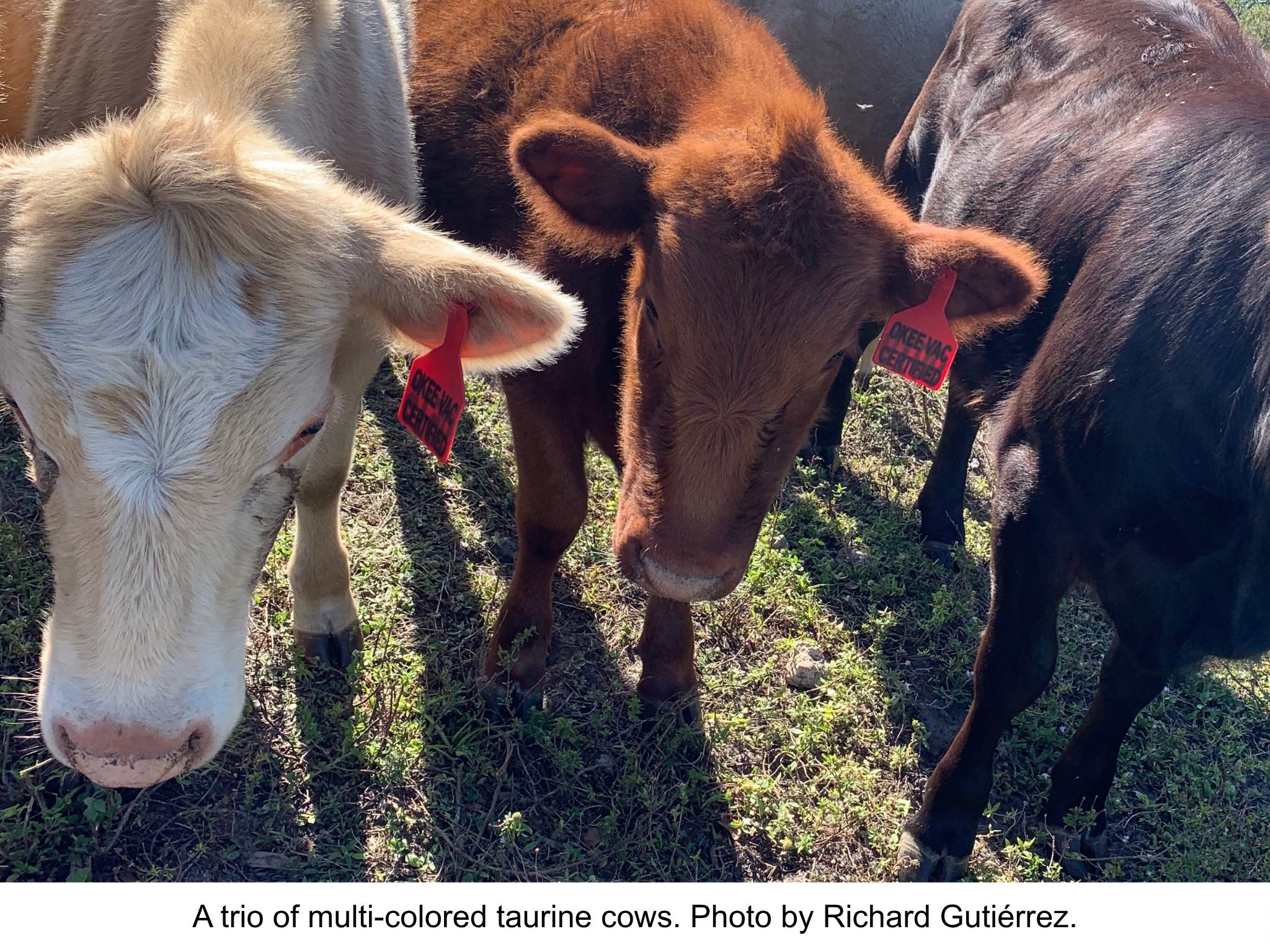
In nature, certain traits are passed on if they are advantageous or just by simple luck. In a way, the aurochs’ environment shaped the majestic nature and habits of the animal. However, domestication can introduce artificial selection driven by humans. By choosing what cows breed with which bulls, humans were able to, over time, induce a form of selection. For example, if a village wanted cows that made more milk, they’d try to breed the cows that naturally produced more milk. Over time, that whole population of cattle would generally produce high quantities of milk. In this way, the various breeds of both taurines and zebu came to be, all vastly different from the original aurochs. In modern day, people are able to further select traits in more sophisticated ways. For example, CRISPR is a well-known technology used for editing genes. The very DNA of a cow can now be altered by cutting or adding to it. Using these new processes, their DNA can be edited to make cattle hardier against illnesses, more productive, and even make them more stress tolerant or allergy-free.
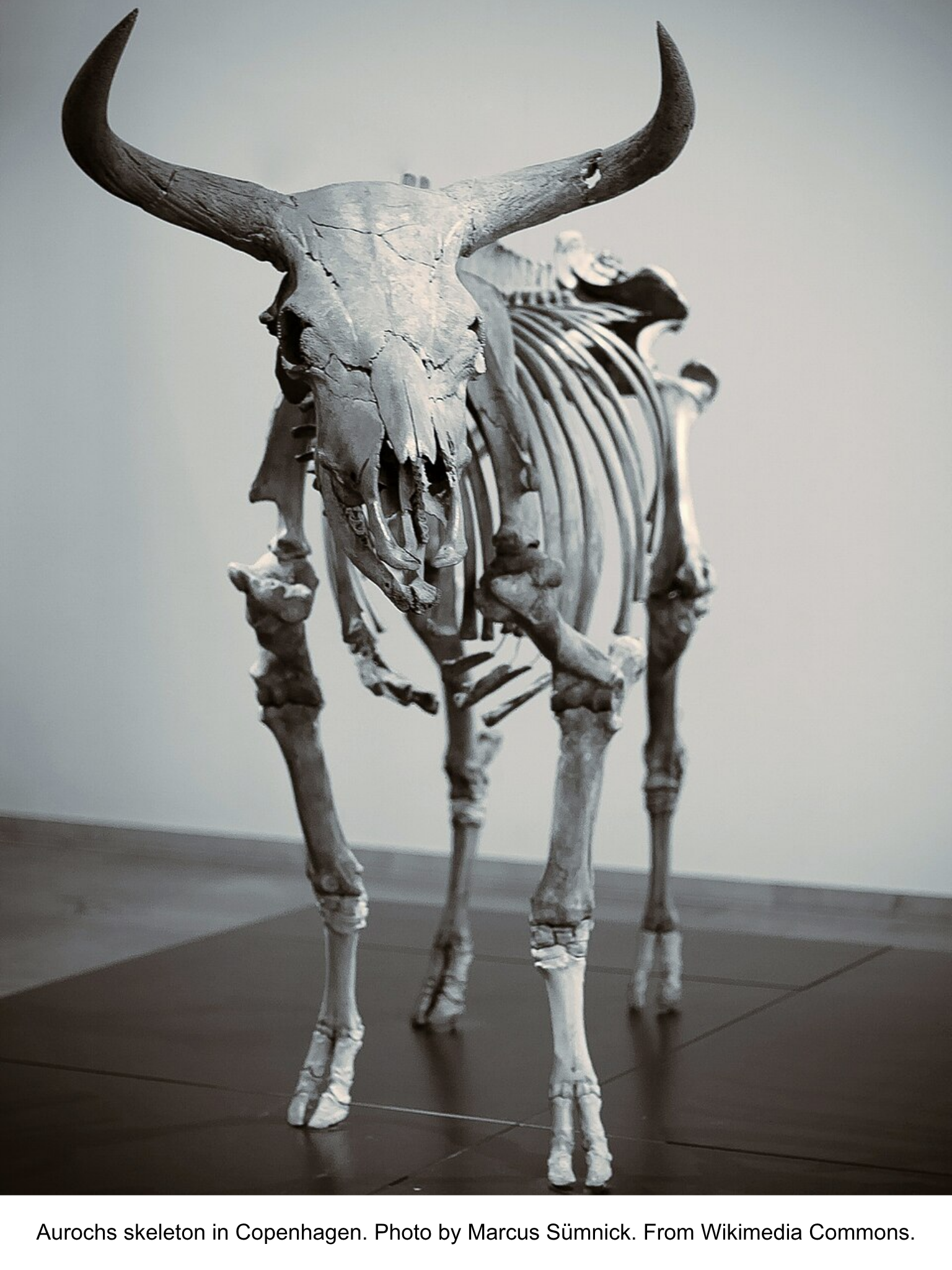
While B. taurus and B. indicus have flourished over the past 10,000 years under the watchful eye of humans. Thanks to how valuable they are to human food production, domestic cattle are found worldwide with over 1.5 billion individuals. Meanwhile, aurochs unfortunately went extinct. Partially due to loss of habitat to agriculture and being overhunted, the aurochs may have been most hurt by the very people raising domestic cattle. To the people doing the domesticating, the wild relatives of their own livestock were seen as competitors or even threats. Despite all of these forces conspiring against the remaining aurochs, they persisted for an impressively long time. The last known aurochs, a female, died in a Polish forest in 1627. With her died a once wide-ranging and ancient species. While their influence lives on in our modern cattle, no one will ever again see a real-life aurochs.
Cattle are iconic animals and a huge part of human history. As Ajmone-Marsan and colleagues put it, cattle have “belonged to our cultural heritage” since the moment they were domesticated. While their wild ancestors may have met a sad end, the legacy of the aurochs is all around us today. Every single one of the 1.5 billion cattle that we rely so much on can trace their roots back to the majestic aurochs.
References:
Chen, S., et al. “Zebu Cattle Are an Exclusive Legacy of the South Asia Neolithic.” Molecular Biology and Evolution, vol. 27, no. 1, Sept. 2009, pp. 1–6, https://doi.org/10.1093/molbev/msp213.
Cornell University College of Veterinary Medicine. “Calf Health Benchmarks.” Cornell University College of Veterinary Medicine, 2024, www.vet.cornell.edu/animal-health-diagnostic-center/programs/nyschap/modules-documents/calf-health-benchmarks.
Edwards, Ceiridwen J, et al. “Mitochondrial DNA Analysis Shows a Near Eastern Neolithic Origin for Domestic Cattle and No Indication of Domestication of European Aurochs.” Proceedings of the Royal Society B: Biological Sciences, vol. 274, no. 1616, Apr. 2007, pp. 1377–85, https://doi.org/10.1098/rspb.2007.0020.
Loftus, R. T., et al. “Evidence for Two Independent Domestications of Cattle.” Proceedings of the National Academy of Sciences, vol. 91, no. 7, Mar. 1994, pp. 2757–61, https://doi.org/10.1073/pnas.91.7.2757. Accessed 1 Nov. 2026.
Pitt, Daniel, et al. “Domestication of Cattle: Two or Three Events?” Evolutionary Applications, vol. 12, no. 1, July 2018, pp. 123–36, https://doi.org/10.1111/eva.12674.
Ritvo, Harriet. “Visualizing Climate and Loss: Extinction.” Histecon.Fas.Harvard.Edu, histecon.fas.harvard.edu/climate-loss/extinction/aurochs.html.
Rossi, Conor, et al. “The Genomic Natural History of the Aurochs.” Nature, vol. 635, Oct. 2024, https://doi.org/10.1038/s41586-024-08112-6.
Singh, Parul, and Syed Azmal Ali. “Impact of CRISPR-Cas9-Based Genome Engineering in Farm Animals.” Veterinary Sciences, vol. 8, no. 7, June 2021, p. 122, https://doi.org/10.3390/vetsci8070122.
Walt Disney World. “Ankole Cattle.” Walt Disney World Resort, disneyworld.disney.go.com/attractions/animal-kingdom/disney-animals-ankole/.
Zeder, Melinda A. Documenting Domestication: New Genetic and Archaeological Paradigms. University of California Press, 2006, books.google.com/books?id=EaVTxjrbIFQC.
Photo references:
https://commons.wikimedia.org/wiki/File:Copenhagen_Aurochse.jpg
https://commons.wikimedia.org/wiki/File:Bos_taurus_indicus_%28cropped%29.jpg